
Category: Management & Training

Empowering Resilience: How Targeted Strategy Eased COVID-19’s Grip on Vulnerable Communities

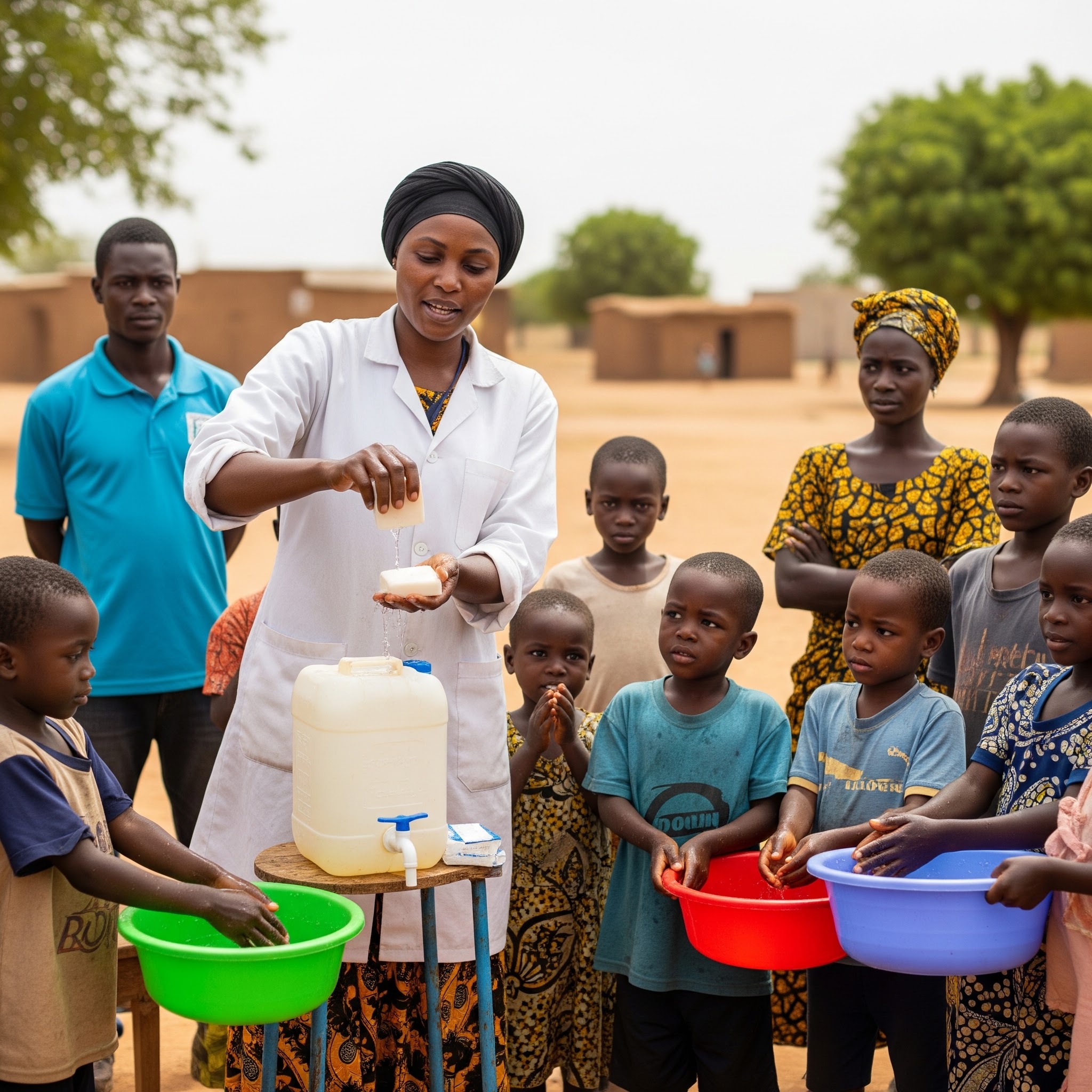
The COVID-19 pandemic did more than trigger a global health crisis; it unleashed a devastating socio-economic storm, particularly on vulnerable groups like women and youth in already fragile intervention areas. When GIZ tasked us (ALG) in 2021 with designing a strategy and fund to mitigate these impacts in Mali, we knew a one-size-fits-all approach wouldn’t work.

Our key insight was simple yet profound: Effective mitigation requires a foundation built on granular, validated needs assessment and locally-tailored implementation tools.

The ALG Insight: Beyond Relief, Towards Sustainable Empowerment

Many emergency responses focus solely on immediate relief. While critical, this often misses the underlying systemic vulnerabilities that the crisis exacerbated. Our approach, highlighted by the focused study mentioned: “Design of the strategy for setting up a fund to mitigate the socio-economic impacts of the covid-19 pandemic in the project intervention area for the benefit of women and young people – GIZ,” demonstrated this core principle:

  1. Needs Assessment as the Blueprint:

We didn’t rely on assumptions. The first and most crucial step was assessing the specific needs of the target groups—women and young people—within the project intervention area. In a context like Mali, this meant understanding:

  • How the pandemic uniquely disrupted women’s informal businesses and access to markets.
  • The impact of school closures and economic downturns on youth employment and training opportunities.
  • The most pressing gaps in local capacity and existing social safety nets.

This deep dive ensured that the resulting fund would address real bottlenecks, not perceived ones, maximising the impact of every resource invested.

  1. Tool Development for Local Ownership:

A brilliant strategy is useless without practical means of execution. Our project’s second pillar was developing the tools for the implementation of the project. This wasn’t just about financial models; it involved creating practical instruments that local partners could readily use:

  • Fund Disbursement Criteria: Simple, transparent rules that prioritized the most affected and potentially high-impact initiatives (e.g., micro-grants for women-led food processing units).
  • Monitoring & Evaluation Frameworks: User-friendly tools that allowed for real-time tracking of socio-economic indicators and fund performance, ensuring accountability and adaptability.
  • Capacity Building Modules: Materials to train local implementers on project management, financial literacy, and gender-sensitive approaches.

By focusing on these core insights—validated needs and localized tools—ALG ensured that the GIZ-supported fund wasn’t just another temporary handout. It was a structured, resilient mechanism designed to empower women and youth to recover their livelihoods, build resilience against future shocks, and become drivers of economic stability in their communities.

ALG conducted this assignment in 2021, proving that a data-driven, localized approach is the most sustainable way to navigate global crises.

Read More

Advocacy and lobbying in the creative industries sector

The project

  • Mission Title: Training in Networking and Advocacy/Lobbying Techniques in the Arts and Culture Sector
  • Country: Burkina Faso
  • Client: Arterial Network
  • Year: 2014

Capacity building of civil society organizations in culture and the arts in structuring and implementing strategies to make the creative economy viable in Burkina Faso.

ALG conducted the Training of delegates from the arts and culture sectors in Burkina Faso in networking, advocacy and lobbying techniques;
Support for delegates from the arts and culture sectors in identifying opportunities for synergy and complementarities.

Our Insights: Advocacy and Lobbying in the Creative Industries Sector in Burkina Faso and Other African Countries

The creative industries sector encompasses a wide array of fields, including arts, culture, design, media, and entertainment. In Burkina Faso and other African nations, the potential of this sector is immense, yet it often remains underutilized due to a range of systemic challenges. Advocacy and lobbying are critical tools that can play a pivotal role in transforming the landscape of creative industries, fostering sustainable economic growth, and enhancing cultural representation.

 The Importance of Advocacy

Advocacy in the creative industries involves promoting the interests and needs of artists, creators, and cultural organizations to policymakers and stakeholders. In Burkina Faso, where traditional art forms coexist with contemporary practices, advocacy can help raise awareness of the value of cultural heritage and creative expression. It allows local artists to voice their concerns regarding funding, copyright protections, and access to markets.

Furthermore, advocacy helps to build a supportive ecosystem for the creative sector. By mobilizing communities and stakeholders, advocates can highlight the contributions of the arts to national identity, social cohesion, and economic development. This is particularly significant in African countries where cultural industries can serve as a means of addressing social issues, such as youth unemployment and gender inequality.

The Role of Lobbying

Lobbying complements advocacy by directly influencing policy decisions through targeted communication with lawmakers and government officials. In the context of Burkina Faso and other African nations, lobbying efforts can focus on securing favorable policies that support the creative industries. This includes tax incentives for artists, grants for cultural initiatives, and investment in infrastructure that nurtures artistic talent.

One notable area for lobbying is intellectual property rights. Many creative professionals in Africa struggle with the protection of their work, facing challenges such as piracy and inadequate enforcement of copyright laws. Through effective lobbying, stakeholders can push for stronger legal frameworks that safeguard artistic creations, thereby encouraging innovation and investment in the sector.

Benefits of Advocacy and Lobbying

1. Economic Growth: The creative industries have the potential to significantly contribute to GDP and job creation in Burkina Faso and across Africa. By advocating for policies that support these sectors, stakeholders can help unlock new economic opportunities.

2. Cultural Preservation: Advocacy efforts can lead to the recognition and preservation of traditional art forms, ensuring that cultural heritage is passed down through generations. This is particularly vital in a globalized world where local cultures are at risk of being overshadowed.

3. Social Change: The arts can be a powerful medium for social change, addressing pressing issues such as inequality, identity, and human rights. Advocacy and lobbying can amplify the voices of marginalized groups within the creative sector, fostering inclusivity and diversity.

4. Regional Collaboration: By engaging in advocacy and lobbying efforts, creative professionals can foster regional collaboration across African countries. Joint initiatives can enhance the visibility of African arts on the global stage and promote cultural exchange.

In Burkina Faso and other African nations, advocacy and lobbying are essential for nurturing the creative industries sector. By promoting the interests of artists and cultural organizations, these efforts can lead to favorable policies and increased investment, ultimately contributing to economic development and cultural preservation. As the world increasingly recognizes the value of creativity, it is imperative for African nations to harness the power of advocacy and lobbying to secure their place in the global creative landscape.

Read More

Capacity building on Gender Mainstreaming in the project cycle

The overall objective is to improve the practice and consideration of gender in the programmatic cycle of TdH partners. This objective was pursued by focusing the Gender aspect on Children’s Rights and by paying particular attention to the elements of the TdH Action Plan, namely the fight against the Worst Forms of Child Labor (WFCL) and violence, trafficking and migration, the right to education and food, youth participation, and impact measurement.

  • Mission title: Training partners in taking gender into account in the program cycle
  • Client: Terre des Hommes
  • Country: Burkina Faso
  • Year: 2014

Services provided:

Improve Terre des Hommes’  partners knowledge and practice on gender for better promotion of children’s rights
Equip our partners on gender integration techniques in the program cycle (Analysis of the gender and children’s rights situation, planning, implementation, gender and rights in monitoring and evaluation, etc.)

ALG team of experts for this mission:

  • NUMBER Issa, Head of mission (gender specialist)
  • TOE Elise, Trainer (monitoring and evaluation specialist)
Read More

A Comprehensive Study on the Mechanism for Promoting Cultural and Creative Industries and Enterprises within the WAEMU/UEMOA region

The present document outlines the findings of a pivotal study commissioned by the West African Economic and Monetary Union (WAEMU) Commission to establish a dedicated Mechanism for the Promotion of Cultural and Creative Enterprises and Industries within the sub-region. This initiative represents a significant step forward in recognizing and supporting the economic potential of the cultural and creative sector.

Study Mandate and Execution

The study was carried out between 2019 and 2020 by an expert assigned by the consultancy firm, ALG, acting on behalf of the WAEMU Commission. The core objective of this consultancy, as defined by the terms of reference, was to lay the comprehensive groundwork necessary for the successful creation and operation of the mechanism. Specifically, the expert’s mission was threefold:

  1. Defining the Frameworks: To meticulously define the technical, organizational, and management frameworks that would govern the mechanism’s operations, ensuring efficiency, transparency, and relevance to the needs of the cultural sector.
  2. Developing Legal and Financial Aspects: To develop the necessary legal instruments and delineate the financial architecture required for the effective and sustainable establishment of the mechanism, including identifying funding sources and disbursement protocols.
  3. Preparing Specifications: To prepare detailed specifications and guidelines for the potential managers and investors who would be involved in operating and capitalizing the mechanism, ensuring clarity on roles, responsibilities, and expected performance metrics.

Contextual Rationale: The Imperative of Financing

The impetus for this study and the subsequent creation of the mechanism is deeply rooted in the broader reflection surrounding the financing of cultural enterprises in the WAEMU zone. The issue of funding has consistently been central to the Union’s strategy, notably leading to the adoption of the WAEMU Cultural Development Policy in 2013 and its subsequent Program in 2015.

A critical turning point was the 2013 symposium held in Ouagadougou on the theme, “Investing in Culture.” This landmark event gathered cultural entrepreneurs from across the sub-region alongside key partner institutions of the Commission. The central discussion at the symposium revolved around exploring and defining appropriate, sustainable avenues to finance the growth of cultural enterprises that could serve as a viable alternative or complement to traditional subsidies. The consensus was that greater financial innovation and structural support were necessary to unlock the sector’s full economic potential.

The Consultancy and Implementation Phase

Following the recommendations generated by the 2013 symposium, and driven by a need for a detailed assessment of the financing challenges within the Member States’ cultural sectors, the Commission contracted ALG’s services. The official title of the study was: “the legal and financial aspects and Assistance with the creation of the mechanism for the promotion of cultural and creative enterprises and industries in WAEMU.”

Read More

Support for the implementation of transitional justice in Burundi

The journey towards lasting peace and reconciliation in Burundi, following years of internal conflict, hinges significantly on the successful implementation of transitional justice mechanisms. This commitment to address past human rights violations and injustices is firmly rooted in the 2000 Arusha Agreement, which laid the groundwork for a comprehensive national approach. The United Nations Development Programme (UNDP), recognizing the complexity and sensitivity of this undertaking, initiated a crucial project in 2009 to provide the necessary methodological support.

Project Overview

Project Title: Development of Methodological Tools for Transitional Justice in Burundi

Client: United Nations Development Programme (UNDP)

Country: Burundi

Year: 2009

The overarching goal of this initiative was to ensure that the process of establishing transitional justice mechanisms was truly inclusive, transparent, and reflective of the Burundian people’s aspirations. The Government of Burundi and the United Nations had jointly agreed on the necessity of establishing these mechanisms, but their formation required broad, inclusive national consultations to garner legitimacy and popular buy-in. To navigate this complex and historically charged process, UNDP sought a specialized firm to develop a robust, culturally sensitive, and appropriate methodology and set of tools for these national consultations.ALG’s Critical Role in Laying the Foundation

Our firm, ALG, was contracted to provide the specialized expertise needed to structure and execute the foundational phase of these national consultations. Our services were meticulously designed to ensure the subsequent consultations were comprehensive, methodologically sound, and yielded actionable results. Our key contributions included:

1. Data Collection and Participant Identification (National consultations)

  • Statistical Mapping: We undertook the vital task of collecting statistical data to facilitate the precise identification and geographical location of potential participants across all segments of Burundian society. This data was crucial for ensuring the consultations were genuinely representative and reached victims, perpetrators, community leaders, women’s groups, youth, and other key stakeholders. The accuracy of this initial step was paramount to the legitimacy of the entire process.
  1. Methodology and Tool Development

  • Designing the Consultative Framework: The core of our mission was the development of a comprehensive methodology and a suite of specialized tools tailored for the unique context of Burundi. This involved creating:
    • Detailed Questionnaires: Structured and semi-structured questionnaires designed to elicit specific information on experiences, perceptions of justice, and recommendations for transitional justice mechanisms.
    • Interview Guides: Flexible guides for in-depth, one-on-one or small-group interviews to capture nuanced narratives and personal testimonies.
    • Facilitation Guides: Detailed instructions and best practices for field teams on leading group discussions, managing sensitive topics, and ensuring safe and respectful dialogue.
    • Counting and Recording Sheets: Standardized forms for accurately documenting and aggregating qualitative and quantitative data collected during the consultations.
  1. Capacity Building and Training
  • Training the Consultative Project Team (CPT): We conducted intensive training sessions for the central Consultative Project Team, equipping them with a deep understanding of the developed methodology, the ethical considerations of transitional justice work, and advanced facilitation techniques.
  • Field Team Preparation: We also trained the extensive network of field teams who would be directly responsible for executing the national consultations across the country. This training focused on the practical application of the tools, culturally sensitive engagement, impartiality, and ensuring the safety and confidentiality of participants.
  1. Analysis and Reporting
  • Analysis of Findings: Following the completion of the consultations, our team was responsible for the rigorous analysis of the vast amount of qualitative and quantitative data collected. This involved identifying key themes, patterns of victimisation, public perceptions of accountability, and preferred models for truth and reconciliation.
  • Development of the General Report: The culmination of our work was the production of a comprehensive General Report on the national consultations. This document synthesized the findings, provided a detailed account of the consultation process, and presented evidence-based recommendations to the Burundian authorities on the structure, mandate, and operation of the future transitional justice mechanisms.

Impact and Outcome

The methodological groundwork laid by this mission proved to be instrumental. The high-quality deliverables—including the proven methodology, trained personnel, and the final comprehensive report—directly supported the Burundian authorities in making informed, nationally-owned decisions. By providing a clear and representative roadmap of the Burundian population’s views, our work significantly contributed to the subsequent process of setting up credible, legitimate, and effective transitional justice mechanisms essential for the consolidation of peace and fostering true reconciliation in the country. This foundational phase ensured that the mechanisms, once established, would be built on a broad national consensus, thereby maximizing their potential for long-term success.

Read More

Management des juridictions au Sénégal

ALG a réalisé en 2013, l’étude sur le management des juridictions du Sénégal. La mission a été commanditée par l’Etat Sénégalais, à travers le Programme Sectoriel Justice.

L’objectif de cette étude est d’évaluer les besoins des formations en management des juridictions, le développement du curriculum et la formation au profit des personnels judiciaires. L’évaluation portera d’une part sur les formations elles-mêmes, la méthodologie et la pertinence des thèmes abordés et d’autre part sur l’impact des formations sur le fonctionnement et l’administration des parquets, tribunaux et cours, sur les prestations fournies par ces institutions judiciaires et le respect des dispositions légales et des standards internationaux en matière d’administration de la justice.

Le mandat du consultant a porté sur les séquences suivantes :

  1. Etude diagnostique ; constat de la situation et identification des problèmes
  2. Conception de la solution organisationnelle et recommandations quant à la mise en œuvre du programme ainsi que des plans d’implantation et de formation.

Dans ce cadre, ALG a réalisé le diagnostic des procédures et de la pratique en matière de management des juridictions ; identifier les causes de dysfonctionnements, incohérences, de retards ou toutes autres sources d’insatisfaction de façon générale et enfin de proposer des solutions pratiques, réalistes et adaptées permettant d’améliorer l’efficacité et la performance des tribunaux.

Les tâches déployées par l’expertise de la firme comprennent  notamment :

  • Elaborer la méthodologie de l’étude ainsi que les outils d’évaluation :
    entretiens en focus groupes avec les formateurs nationaux, identification des
    indicateurs de produit et d’effet,
  • identification des principales sources documentaires à considérer dans l’évaluation et en faire une lecture approfondie.
  • Evaluer la méthodologie, l’efficacité, la pertinence, les thèmes enseignés, l’appropriation et la durabilité des formations sur la base des ou du programme de formation des magistrats et auxiliaires de justice et des termes de référence,
  • évaluer le niveau de réalisation des formations et l’atteinte des objectifs et des résultats en distinguant le management de la production juridictionnelle et l’administration des moyens matériels de la juridiction.
  • Evaluer et analyser le niveau de mise en Å“uvre des recommandations faites au cours des formations ainsi que l’impact sur le fonctionnement et l’administration des cours et tribunaux, les prestations fournies par ces organes judiciaires et le respect des dispositions légales nationales et les standards internationaux en matière d’administration de la justice.
  • Procéder à une comparaison internationale avec quatre pays (Afrique et hors Afrique) des formations et curriculum, des niveaux de réalisation des formations et d’atteinte des objectifs et des résultats obtenus en mettant en évidence les avantages et inconvénients des choix effectués par les pays.
  • Elaborer le curriculum de formation en management judiciaire.
  • Contribuer à la formation en management judiciaire en partenariat avec le CFJ.
  • Formuler des recommandations sur les points à améliorer ainsi que toutes les propositions utiles pour la capitalisation, la diffusion et la pérennisation des acquis, l’utilisation des technologies de l’information et de la communication, le développement du partenariat avec les écoles de management, la diversification des profils à l’entrée au CFJ.
  • Produire un rapport provisoire d’évaluation et d’orientation.
  • Participer à l’atelier de validation du rapport de l’évaluation
    Intégrer dans le rapport d’évaluation toutes les observations de l’atelier de validation
  • Produire un rapport définitif d’évaluation et d’orientation sur la formation en management judiciaire.

Pour plus d’information contacter: [email protected]

Plus d’information sur ALG Sénégal

Read More

Plateforme régionale de données et de coordination pour le Liptako-Gourma Région

  • Client: Banque Mondiale
  • Zone du projet: Liptako Gourma
  • Période d’exécution: Mars 2021- Octobre 2021

L’objectif de cette mission est de soutenir le développement et la conception d’une plate-forme régionale de données et de coordination (RDCP) pour la région du Liptako-Gourma (Burkina Faso, Mali et Niger).

Dans le cadre de projet, ALG réalise les actions spécifiques suivantes:

  • Mener une cartographie et une analyse des parties prenantes pour la région
  • Entreprendre un inventaire et une évaluation des systèmes de bases de données déjà disponibles et en usage dans la région du Liptako-Gourma
  • Identifier les lacunes dans les données (en s’appuyant sur l’inventaire (1.3.2)); et proposer un tableau de bord d’indicateurs de développement pour suivre les risques droits de l’homme et FCV dans le Région du Liptako-Gourma – en consultation avec les principaux partenaires et parties prenantes
  • Élaborer un plan de communication / sensibilisation
  • Proposer un plan sur la manière dont le RDCP peut être utilisé pour systématiser des échanges de connaissances continu entre les parties prenantes
  • Préparer un plan d’action global pour la mise en Å“uvre /opérationnalisation du RDCP et prochaines étape
Read More

Civil service: Facing the remuneration challenge

Many countries in Africa have undertaken major reforms of public administration in recent years. Most of the innovations undertaken with varying success relate to mechanisms to ensure greater efficiency and optimize results. A trend noted in several countries relates to the evolution towards decentralization, an approach that requires capacity building at the level of agents and the adoption of appropriate incentives as well as flexible rules in the management of state agents. Only a few countries in Central and West Africa have faced the difficult issue of remuneration in the civil service.

The incompetent arms of the civil service

The civil service in many countries is characterized by demotivated, poorly trained staff, holding down multiple jobs to compensate for low salaries and concentrated in large urban centers. And yet reforms undertaken in the early 2000s aimed to ensure performance, flexibility, forward-looking planning and capacity building of civil servants. Few States have taken stock of these reforms, because the undertaking is not only costly (…) but the mechanisms in place to ensure foresight in public management are often not well coordinated.

One of the factors of demotivation and inefficiency in the civil service is that of the remuneration system. It has been noted that despite the cost of the wage bill, salaries are not sufficiently incentivizing to retain qualified labor. This is true in several countries whose salary scales ALG has ensured the comparison. However, it would have been good, in order to know the exact situation of civil servant remuneration in a given country, to examine the complex system of non-salary benefits (what we call allowances) which in certain cases, allow the basic salary to be increased very significantly, partly on a discretionary basis. The consequence is that this system creates unjustified gaps in the salaries of civil servants. The reason is that allowances are more likely to be granted in a non-transparent manner. Its opacity prevents us from taking stock of them and proposing the sacrosanct rationalization that has been recommended in several studies on civil service reforms.

The ALG approach to remuneration systems in the public sector

ALG has advised several ministries, particularly in West Africa, to effectively curb the issue of pay and adopt appropriate tools for its management, in line with the objectives set for the civil service in states undergoing full modernization. This is an ambitious process that must be spread over several years and involve various state agencies, to avoid undergoing innovations in the salary system, by forced march because made possible by workers’ demands (strikes in the civil service are legion in almost all countries). The risks are numerous:

worsening the dysfunctions of the system due to the proliferation of benefits and allowances outside the normal salary structure;
increase the opacity of the remuneration structure and make it informal;
encourage the snowball effect, since other groups of public employees are tempted to use the same coercive tactics to also benefit from these advantages.

Beyond reforms, drive change

The ALG approach to controlling the remuneration system in the civil service is based on a human resources management process through the adoption of mechanisms and technologies that ensure its medium-term track record. Our strategy has been developed and refined over the years to establish itself as the one that ensures optimal efficiency.

We have named the “Maison Fonction Publique” approach. When we are called upon to implement it in a country, our experts conduct twelve (12) weeks of assessment and analysis of the remuneration system of civil servants, including a discovery phase, all leading to an action plan for the reform of the remuneration system.

Identifying disparities in the remuneration system and appropriate solutions will provide the Ministry of Public Service with the right information to undertake the necessary changes, in good understanding of the capacities and strategic orientations of the State. The approach begins with the initial stage and ends with the roadmap for the future state. We recognize the importance of the inventory of the remuneration system in the evaluation process to ensure that the expected results are achieved.

Two countries have already entrusted us with studies on their remuneration system and the results have been impressive!

The ALG approach

Carrying out the study on the remuneration system distinguishes a rapid results diagnostic phase. This diagnostic assesses the situation of public sector remuneration in relation to what we consider to be good practices in this area. The approach is modular and offers an easily manageable framework for transforming human resources or results adapted to previously identified needs.

Our approach will accomplish the following:

  • Determine the mission and objectives of human capital management (HCM) in the overall context of the State’s mission, HR functions, information flows of activities and roles and responsibilities of State personnel.
  • Build consensus around the ‘current state’, ‘future state’ objectives, and best (functional) practices that have been deployed in non-public sectors in terms of compensation.
  • Develop the strategic framework for salary reforms.
    Identify how technology can be used to enable better compensation practices.
  • Determine the conditions for outsourcing analyses and formulate recommendations.
  • Identify the processes for reorganizing technical options for internal HR processes in the various ministries and local authorities.
  • Build the change management approach and the planning strategy for payroll management.
Read More

Document cadre sur la libre circulation des services au sein de l’UEMOA

La Commission de l’Union Economique et Monétaire Ouest Africaine (UEMOA) a confié à ALG de réaliser l’importante mission relative au cadre à l’étude sur la libre circulation des services au sein des pays de l’Union. Il s’est agit pour ALG et ses experts de:

  • Elaborer un Document Cadre sur la libre circulation des services au sein de l’UEMOA ;
  • Proposer une Feuille de route de la mise en Å“uvre de la libre circulation des services au sein de l’UEMOA.

Des recherches et analyses réalisées dans les huit pays membres devront permettre à ALG de proposer à l’UEMOA:

  • un rapport faisant ressortir l’importance, les contraintes à la libre circulation des services, les solutions et les opportunités de développement des services. Ce rapport énumérera également les engagements pris par chaque Etat membre dans le cadre de l’Accord Général sur le Commerce des services et les mesures de libéralisation en cours ;
  • un Document Cadre donnant des orientations et faisant des propositions sur la nature des réformes à engager dans le cadre sur la libre circulation des services communautaire ;
  • une feuille de route de la mise en Å“uvre de la libre circulation des services au sein de l’Union.

Pour ce projet hautement stratégique, ALG travaillera avec trois experts issus des pays de l’UEMOA.

Contacter l’équipe ALG du projet: ALG@africalabel.com

Plus d’information sur le client: www.uemoa.int

Read More

JOIN OUR THRIVING COMMUNITY

We don’t spam! Read our privacy policy for more info.