Home >> Shop

Etude pilote sur l’amélioration de la transparence et de la redevabilité des gouvernements locaux en Afrique francophone

  • Titre du projet: Etude pilote sur l’amélioration de la transparence et de la redevabilité des gouvernements locaux en Afrique francophone
  • Client: Banque Mondiale
  • Pays: Burkina Faso
  • Année: 2008

L’objectif global de la mission consiste à identifier et à évaluer à travers des études de cas, les bonnes pratiques de gouvernance mises en œuvre par les gouvernements locaux au Burkina Faso aux étapes-clés de programmation, budgétisation, prestations de services, passation de marchés et suivi-évaluation de leurs interventions.

La mission est entièrement conçue et mise en œuvre par les experts d’Africa Label Group. Leurs prestations concernent notamment :

  • La conception du cadre d’évaluation des bonnes pratiques de gouvernance locale
  • La collecte et l’analyse des données
  • Recherche/enquêtes de terrain pour la validation des indicateurs de performance
  • La formulation de recommandations et de propositions politiques pour la dissémination des résultats de l’étude.

Lire aussi: Compétition sur l’Excellence dans la Gouvernance Locale (COPEGOL)

Read More

Evaluating the Impact of the DUMEVI Program: A Step Towards Strengthening Civil Society in Togo

In 2008, the United Nations Democracy Fund (UNDEF) and the United Nations Development Programme (UNDP) embarked on a transformative journey in Togo through the “Common Action Program for Information, Citizen Participation, and Strengthening Togolese Civil Society” (DUMEVI). This initiative, spearheaded by the National Council of Civil Society (CNSC), aimed to create a robust framework for active and effective citizen engagement in the democratic process and local governance.

A Comprehensive Evaluation

As the project nears its culmination, a final evaluation is being conducted to assess its effectiveness, efficiency, and relevance. This evaluation serves multiple purposes:

1. Understanding Impact: It provides an opportunity for beneficiaries, UNDEF, and UNDP to comprehend the extent to which the project has achieved its intended effects and impacts. By analyzing the outcomes, stakeholders can gauge the level of satisfaction among participants and beneficiaries, thereby measuring the project’s overall success.

2. Learning from Experience: The evaluation aims to offer crucial insights for project managers and partners. By reflecting on the design, implementation, and management of the DUMEVI program, valuable lessons can be extracted to enhance future initiatives aimed at strengthening civil society and promoting democratic participation.

Engaging Citizens for Democratic Governance

The DUMEVI program was designed to empower Togolese citizens by fostering an environment conducive to informed participation in governance. By prioritizing citizen engagement, the initiative sought to bridge the gap between the government and the populace, ensuring that the voices of ordinary citizens are not only heard but also actively considered in decision-making processes.

Through various activities, the program has encouraged dialogue, raised awareness about civic rights and responsibilities, and facilitated platforms for citizens to express their views. The evaluation will shed light on how effectively these goals have been met and the extent to which citizens feel empowered and included in the governance framework.

Ensuring Sustainability and Future Success

One of the critical areas of focus for the evaluation is sustainability. It is essential to determine whether the impacts of the DUMEVI program can be maintained over time. This involves assessing the ongoing engagement of civil society organizations and local communities in democratic processes, as well as the mechanisms in place to support their continued participation.

Additionally, the findings from this evaluation will be instrumental for future projects. By identifying best practices and areas for improvement, the lessons learned can inform the design and implementation of similar initiatives, not only in Togo but also in other contexts where civil society strengthening is a priority.

The final evaluation of the DUMEVI program represents more than just a retrospective analysis; it is a critical reflection on the progress made in enhancing citizen participation and strengthening civil society in Togo. As we await the results, we are reminded of the importance of ongoing dialogue, engagement, and learning in the quest for a more democratic and participatory governance framework. The insights gained will undoubtedly shape the future of civil society efforts in Togo, ensuring that the voices of its citizens continue to resonate in the halls of power.

Read More

Audit of the accounts and financial statements of the Human Resources Development Program in Côte d’Ivoire

The audit of the accounts and financial statements of the Human Resources Enhancement Program (PVRH2), commissioned by the African Development Bank (AfDB) in 2010, was an emblematic mission. Beyond the numbers, this intervention in Côte d’Ivoire provided our firm with invaluable lessons on the art of auditing in complex contexts.

The Mandate: Much More Than a Simple Verification

Our objective was clear: to issue a professional and independent opinion on the financial situation of the Project as of 12/31/2009 and to ensure that the funds provided were used in accordance with the initial objectives. This implied not only rigorous compliance with international standards (ISAs or ISSAIs) but also a deep understanding of the AfDB’s financing and disbursement mechanisms.

The Environmental Challenge: Complexity and Sensitivity

The year 2010 in Côte d’Ivoire was marked by an atmosphere of transition and political sensitivity, which added a layer of complexity to our work. Auditing the accounts of four (4) beneficiary ministries of PVRH2 in this context required a particularly delicate and methodical approach:

  1. Increased Inter-ministerial Coordination: Harmonizing schedules, document requests, and interviews across four distinct government entities was a major logistical exercise. We had to establish strong and transparent communication channels with each ministerial focal point.
  2. Documentary Risk Management: The reliability and accessibility of supporting documents always represent a challenge in projects financed by international donors. Our team implemented strict cross-verification protocols to ensure the completeness and authenticity of the financial documentation, thereby minimizing the risk of fraud or material error.
  3. Unwavering Independence: The essence of our opinion rests on its independence. In an environment where pressures may exist, strict adherence to IFAC standards (via the ISAs) was our compass. We ensured that our conclusions reflected only the financial facts, regardless of external considerations.

Our Key Insights for Auditing in Challenging Environments

  • The Importance of Education: Often, discrepancies do not stem from an intention to misuse funds, but from a lack of knowledge of donor reporting requirements. Our role included a component of in situ advice and training to strengthen the financial management capacities of local teams.
  • Technology and Flexibility: The use of flexible audit tools to manage the diversity of accounting systems and data formats across the different ministries was crucial for gaining efficiency and depth of analysis.
  • The Human Factor: The success of such a mission relies on the quality of the team. Our ability to deploy auditors who were not only technically competent but also possessed high cultural and relational intelligence was decisive in navigating local sensitivities and securing the cooperation of stakeholders.

Conclusion: A Commitment to Transparency

The PVRH2 audit mission in 2010 is a testament to ALG’s commitment to providing high-quality audit services, even in demanding circumstances. It reaffirmed that auditing, when conducted with rigor, professionalism, and adherence to international standards, is an essential pillar for good governance and the transparency of development funds. The lessons learned on the ground continue to enrich our approach for all our future missions on the African continent.

Read More

Comprehensive Financial Audit of the West African Health Organisation (WAHO) and Partner AccountsIntroduction and Context

This article  details the scope and objectives of the financial audit conducted on the West African Health Organisation (WAHO) and its partner accounts and financial statements. The audit specifically covered the Regional Program titled “Reproductive Health and HIV Prevention in the Economic Community of West African States (ECOWAS) Region.” This program represented a significant collaborative effort, enabling WAHO and the German Financial Cooperation (Kreditanstalt für Wiederaufbau/KfW) to establish and operationalise a crucial Regional Financing Mechanism dedicated to the procurement and distribution of Reproductive Health products across the ECOWAS region.

Detail Description
Client West African Health Organisation (WAHO)
Donor/Financial Partner Kreditanstalt für Wiederaufbau (KfW)
Intervention Year 2015
Program Title Regional Program “Reproductive Health and HIV Prevention in the Economic Community of West African States (ECOWAS) Region”

Objective of the Consultation Mission

The overarching objective of this independent consultation mission was to secure an independent and qualified professional opinion on the financial accounts of WAHO and its implementing partners. The audit was structured to cover the specific financial period from April 1, 2014, to February 28, 2015.

Crucially, the mission aimed to provide assurance that all financial resources made available to WAHO and its partner entities under this program were utilised strictly for the purposes for which they were granted. This ensures financial accountability, transparency, and compliance with the financing agreement between WAHO and KfW.Scope of Work and Expected Operations

The auditors were mandated to execute a comprehensive set of operations across multiple levels of the program’s financial structure. This included auditing financial transactions at the regional level (WAHO) and at the national level within the selected pilot countries.

The audit operations were specifically targeted at the five designated WAHO pilot countries, which were:

  1. Benin
  2. Burkina Faso
  3. Ghana
  4. Guinea Bissau
  5. Niger

The expected operations for the auditors included, but were not limited to, the following core tasks:

1. Country-Level Program Account Audit

The auditors were required to conduct a thorough financial audit of the program accounts managed at the level of each of the five pilot countries. This involved reviewing national-level expenditure, supporting documentation, local procurement records, and adherence to established financial procedures.

2. WAHO Regional Program Account Audit

A parallel and equally intensive audit was required for the program accounts maintained and managed at the WAHO headquarters level. This focused on regional transactions, donor disbursements, consolidated financial reports, and the operations of the Regional Financing Mechanism itself.

3. Account Reconciliation

A critical step in the audit process was the reconciliation of financial accounts between the country level and the WAHO regional level. This operation was essential to verify the accuracy of internal reporting, ensure all funds transferred to the pilot countries were properly recorded, and identify any discrepancies or unaccounted differences in financial reporting across the different entities.

4. Provision of Management Opinions

The final and most significant output of the consultation mission was for the auditors to provide independent professional opinions on the management of the program’s accounts for Phase I and Phase II of the intervention. This opinion covers the effectiveness of internal controls, compliance with contractual obligations, and the overall financial stewardship exercised by both WAHO and its partners throughout the duration of the audit period. The opinion informs the donor (KfW) and the client (WAHO) on the financial health and management integrity of the program.

Read More

Deep Dive: The Comprehensive Technical Audit of Togo’s Phosphate Sector by ALG and Snowden Group

The mining sector, particularly phosphate production, represents a critical pillar of Togo’s economy. To ensure its long-term sustainability and optimize its global competitiveness, a comprehensive audit of the phosphate sector was commissioned by the World Bank and the Togolese State, executed by the ALG and Snowden Group consortium. This technical deep dive focused on resource evaluation, operational efficiency, future development strategy, and market positioning.1. Resource Evaluation and Reserve Updating

The audit commenced with a rigorous evaluation of Togo’s phosphate resources, addressing various geological formations:

  • Loose Layer: Found in key mining areas including Hahotoé, Kpogamé, and Dagbati.
  • Carbonate Layer: Also present in Hahotoé, Kpogamé, and Dagbati, representing a future exploitation focus.
  • Metamorphic Layer: Located in the Bassar region.

The team integrated historical data, previous geological estimates, and geostatistical simulations to provide an updated and internationally contextualized understanding of the country’s ore and reserve base, while simultaneously assessing associated geological and mining risks.2. Technical and Operational Benchmarking

A crucial component was the technical evaluation of the entire production chain, benchmarked against international industry standards and best practices for operational excellence:

  • Mine Production Tools: Assessment of the condition, performance, and operational suitability of heavy equipment used in extraction.
  • Plant Production Tools: Detailed analysis of processing plant assets, including their current state, throughput performance, and specific electricity consumption metrics.
  • Transport Equipment: Evaluation of the reliability, condition, and adequacy of the logistics fleet responsible for moving raw and processed materials.

This was complemented by an evaluation of the Production Methods, scrutinizing the process and operating cycle for optimization. The audit also assessed work organization and the alignment of employee skillsets with the company’s operational needs.3. Strategy for Future Development: The Carbonate Layer

The audit placed a significant emphasis on the future exploitation of the more complex Carbonate Layer. ALG proposed a technically and economically viable process for resource extraction from this layer. The strategic assessment included:

  • Process Suitability: Defining the optimal metallurgical and chemical process flow for carbonate ore.
  • Future Requirements: Projecting the energy, logistics, and facility upgrades necessary for large-scale carbonate exploitation.
  • Investment Needs: Quantifying the required financial, technical (equipment and infrastructure), and human resource investments for the development phase.
  1. Commercial and Product-Market Fit Analysis

Beyond the mine gate, the audit explored the commercial viability and necessary steps to ensure market relevance:

  • Existing Contracts: A review of current commercial agreements and export logistics. The historical context of exporting concentrated ore (1990s) to diverse markets (Canada, Asia, South Africa) was noted.
  • Downstream Process Optimization: The audit investigated potential downstream processing steps to meet stringent market technical specifications. Two key scenarios were considered:
    • (a) Regional Refocus: Right-sizing operations to meet the specific technical demands of intermediate regional markets (e.g., South Africa).
    • (b) Deleterious Element Removal: Conducting a benefit-cost analysis for the investment required to reduce or remove deleterious elements (e.g., cadmium), coupled with a market penetration analysis targeting high-specification markets like Europe.
  1. Administrative, Financial, and Socio-Environmental Diagnosis

The audit provided a holistic view by integrating non-technical yet mission-critical aspects:

  • Administrative Assessment: A diagnostic of the Société Nationale des Phosphates du Togo (SNPT)’s organizational structure (1,800 employees) and a needs analysis for executive training.
  • Financial & Economic Aspects: Valuation of fixed assets (physical, accounting, intrinsic value), analysis of export revenue trends, study of the tax regime, and quantification of the sector’s impact on the national economy and its global market potential.
  • Socio-Environmental Impact: Assessment of social (community displacement) and environmental impacts associated with SNPT’s operations and mine expansion, culminating in recommendations for improved environmental and social management frameworks.

The comprehensive framework provided by the ALG/Snowden consortium successfully delivered a robust, data-driven roadmap to the World Bank and the Togolese State, setting the stage for the strategic, technical, and sustainable development of Togo’s vital phosphate sector.


Read More

Management des juridictions au Sénégal

ALG a réalisé en 2013, l’étude sur le management des juridictions du Sénégal. La mission a été commanditée par l’Etat Sénégalais, à travers le Programme Sectoriel Justice.

L’objectif de cette étude est d’évaluer les besoins des formations en management des juridictions, le développement du curriculum et la formation au profit des personnels judiciaires. L’évaluation portera d’une part sur les formations elles-mêmes, la méthodologie et la pertinence des thèmes abordés et d’autre part sur l’impact des formations sur le fonctionnement et l’administration des parquets, tribunaux et cours, sur les prestations fournies par ces institutions judiciaires et le respect des dispositions légales et des standards internationaux en matière d’administration de la justice.

Le mandat du consultant a porté sur les séquences suivantes :

  1. Etude diagnostique ; constat de la situation et identification des problèmes
  2. Conception de la solution organisationnelle et recommandations quant à la mise en œuvre du programme ainsi que des plans d’implantation et de formation.

Dans ce cadre, ALG a réalisé le diagnostic des procédures et de la pratique en matière de management des juridictions ; identifier les causes de dysfonctionnements, incohérences, de retards ou toutes autres sources d’insatisfaction de façon générale et enfin de proposer des solutions pratiques, réalistes et adaptées permettant d’améliorer l’efficacité et la performance des tribunaux.

Les tâches déployées par l’expertise de la firme comprennent  notamment :

  • Elaborer la méthodologie de l’étude ainsi que les outils d’évaluation :
    entretiens en focus groupes avec les formateurs nationaux, identification des
    indicateurs de produit et d’effet,
  • identification des principales sources documentaires à considérer dans l’évaluation et en faire une lecture approfondie.
  • Evaluer la méthodologie, l’efficacité, la pertinence, les thèmes enseignés, l’appropriation et la durabilité des formations sur la base des ou du programme de formation des magistrats et auxiliaires de justice et des termes de référence,
  • évaluer le niveau de réalisation des formations et l’atteinte des objectifs et des résultats en distinguant le management de la production juridictionnelle et l’administration des moyens matériels de la juridiction.
  • Evaluer et analyser le niveau de mise en Å“uvre des recommandations faites au cours des formations ainsi que l’impact sur le fonctionnement et l’administration des cours et tribunaux, les prestations fournies par ces organes judiciaires et le respect des dispositions légales nationales et les standards internationaux en matière d’administration de la justice.
  • Procéder à une comparaison internationale avec quatre pays (Afrique et hors Afrique) des formations et curriculum, des niveaux de réalisation des formations et d’atteinte des objectifs et des résultats obtenus en mettant en évidence les avantages et inconvénients des choix effectués par les pays.
  • Elaborer le curriculum de formation en management judiciaire.
  • Contribuer à la formation en management judiciaire en partenariat avec le CFJ.
  • Formuler des recommandations sur les points à améliorer ainsi que toutes les propositions utiles pour la capitalisation, la diffusion et la pérennisation des acquis, l’utilisation des technologies de l’information et de la communication, le développement du partenariat avec les écoles de management, la diversification des profils à l’entrée au CFJ.
  • Produire un rapport provisoire d’évaluation et d’orientation.
  • Participer à l’atelier de validation du rapport de l’évaluation
    Intégrer dans le rapport d’évaluation toutes les observations de l’atelier de validation
  • Produire un rapport définitif d’évaluation et d’orientation sur la formation en management judiciaire.

Pour plus d’information contacter: [email protected]

Plus d’information sur ALG Sénégal

Read More

External Evaluation of Sahel Road Safety Initiative project

ALG has been contracted to undertake the final, independent evaluation of the PartnersGlobal’s Sahel Road Safety Initiative project, which focused on interventions in both Burkina Faso and Senegal. This comprehensive evaluation is designed to be a rigorous and evidence-based assessment, intended to produce findings that are not only useful for immediate, evidence-based program management decisions but also relevant for informing broader strategic planning for future, similar projects within the region and sector.

Evaluation Methodology and Scope

The overall evaluation methodology has been carefully structured and operationalized through a series of specific, guiding evaluation questions. These questions are designed to systematically capture data and analyze the project’s progress across its entire course of implementation and at various, interconnected levels:

  • Institutional Level: Assessing the project’s impact on government agencies, civil society organizations, and other formal institutions involved in road safety and governance.
  • Community Level: Examining changes and outcomes within the broader communities and populations affected by the project’s activities and interventions.
  • Neighborhood Level: Focusing on localized impact and results achieved within specific, targeted geographic areas or neighborhoods.

The methodology will employ a mixed-methods approach, combining quantitative data analysis (such as accident statistics, beneficiary surveys, and implementation metrics) with qualitative data collection (including key informant interviews, focus group discussions, and document review) to provide a holistic and triangulated view of the project’s performance against its stated objectives and anticipated results.

Key Expected Evaluation Outcomes

The completion of this final evaluation is expected to yield several critical, forward-looking outcomes that extend beyond a simple performance assessment:

  1. Development of Applicable Lessons Learned and Key Questions: The evaluation will synthesize project experiences to develop substantive lessons learned and identify critical, unanswered questions that have broad applicability to road safety and security sector programming beyond the specific scope and geographic focus of the current project.
  2. Establishment of an Ongoing Learning System: The process and findings of the evaluation will be used to establish a sustainable, ongoing learning system for the PartnersGlobal project team. This system will facilitate continuous reflection, adaptation, and knowledge retention, ensuring that operational insights are routinely captured and utilized in current and future programming.
  3. Assistance with New Project Development and Strategic Gaps: The evaluation will specifically assist in identifying security sector gaps related to roadway infrastructure, governance, and public safety that the current project was unable to fully address. The learning and data gathered will serve as a foundational evidence base to inform and guide the design and development of new, subsequent projects and strategic initiatives aimed at filling these persistent gaps and improving regional road safety outcomes.
Read More

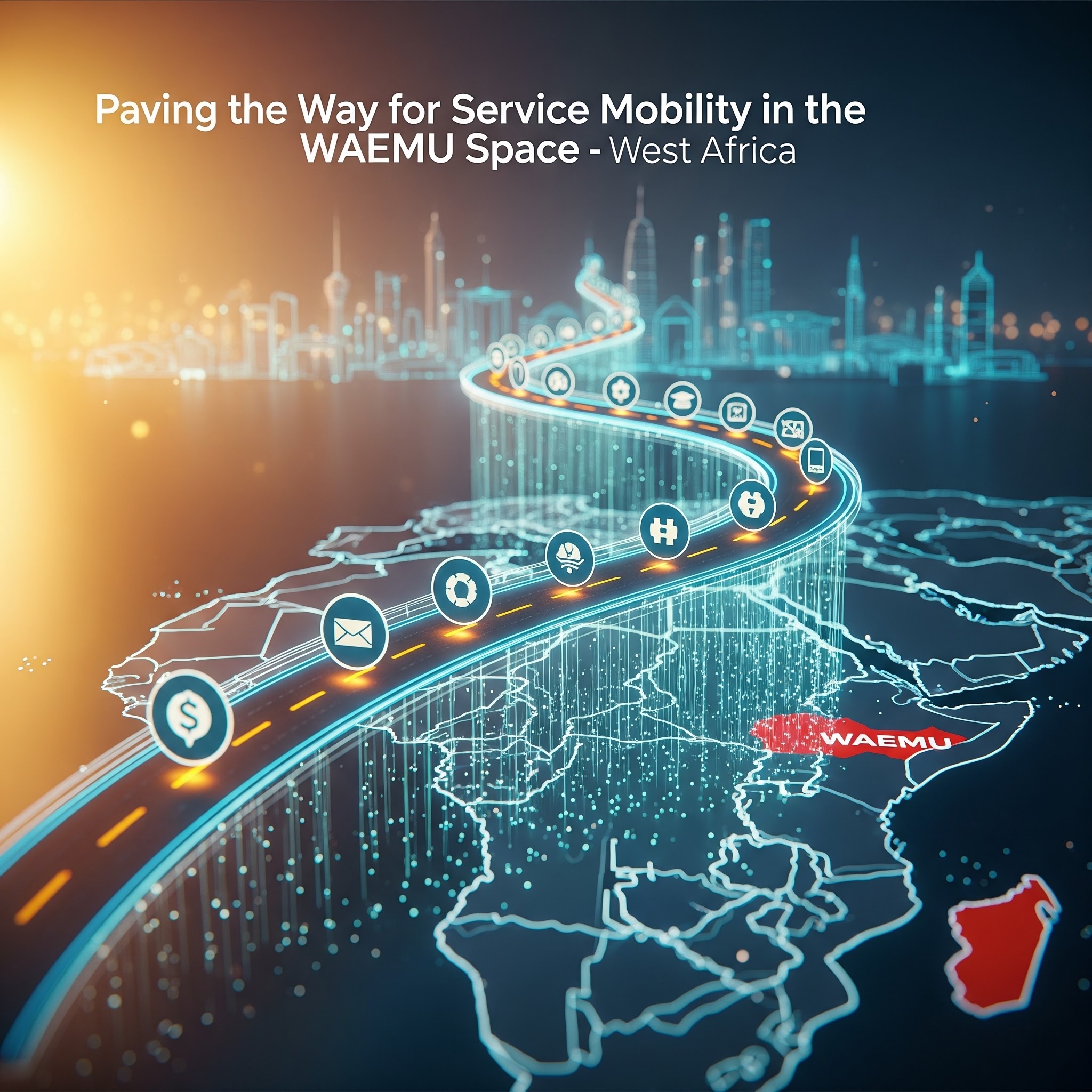
Paving the Way for Service Mobility in the WAEMU Space

Project Spotlight: Study for the preparation of a framework Document on the free movement of services in the WAEMU space

The establishment of a true Common Market within the West African Economic and Monetary Union (WAEMU) hinges on the free movement of goods, people, capital—and increasingly—services. Services are the backbone of the Union’s economy, accounting for nearly half of the average GDP (48.6%) and serving as a major engine for job creation across the member states. Recognizing this critical role, the WAEMU Commission launched a vital study in 2017 to craft the framework for unrestricted service circulation.

The Intervention

The objective of this intervention was clear: to prepare a foundational document that establishes the necessary conditions and mechanisms for the free movement of services within the WAEMU zone. This work is essential to unlocking the full potential of the regional common market and fostering deeper economic integration.

ALG’s Approach: A Tailored Methodology

To tackle this complex and crucial task, ALG, leveraging its extensive experience supporting the WAEMU in various sectors, employed a rigorous and collaborative methodology:

  1. Diagnostic Phase (Legal and Economic Review): The initial step involved a comprehensive review of the existing legal, regulatory, and institutional frameworks governing services in each WAEMU member state. This was complemented by an in-depth economic analysis to identify key service sectors, assess their contribution to national economies, and pinpoint the specific barriers hindering their cross-border movement.
  2. Stakeholder Consultation: Recognizing that a framework must be practical and widely accepted, ALG conducted extensive consultations. This involved high-level meetings with national ministries, regulatory bodies, professional associations, and private sector representatives across the Union. This inclusive approach ensured the framework would address real-world challenges and gain broad buy-in.
  3. Comparative Analysis: ALG performed a comparative analysis of international best practices, particularly drawing lessons from other regional economic communities (like the EU, ECOWAS, and CEMAC) that have successfully implemented free movement of services protocols. This provided critical insights into effective implementation strategies and potential pitfalls.
  4. Framework Document Development: Based on the diagnostic findings and consultations, ALG drafted the framework document. This included proposing a clear definition of services, identifying priority sectors for immediate liberalization, outlining principles for mutual recognition of professional qualifications, and suggesting mechanisms for regulatory cooperation and dispute resolution.
  5. Validation and Roadmapping: The draft framework was presented to the WAEMU Commission and relevant expert committees for rigorous review and validation. Finally, ALG provided a detailed roadmap for the phased implementation of the framework, including timelines and required institutional reforms.

A Commitment to Regional Integration

This study is a testament to the WAEMU Commission’s commitment to deepening regional integration. For years, ALG has been a trusted partner to the Commission, contributing its technical expertise to key policy areas, from transport infrastructure to institutional development. The successful completion of this study marks a significant step toward creating a truly unified economic space where services—and the growth they drive—can move freely across borders, benefiting citizens and businesses throughout the Union.

Read More

Etude pour l’élaboration des lois, décrets, arrêtés et documents sur la décentralisation administrative en RDC

ALG a déployé son expertise entre 2009 et 2010 dans le cadre du Projet de Renforcement des Capacités en Gouvernance (PRCG), sur financement de la Banque Mondiale. L’intervention d’ALG a comporté deux grands axes.

1. Au niveau du gouvernement central :

Analyser la situation afin d’apporter un appui dans l’élaboration des lois, décrets, arrêtés, documents et réglementations nécessaires pour servir de base légale et réglementaire dans la mise en œuvre du processus de décentralisation des Ressources Humaines en RDC, y incluant les aspects du système des salaires, la gestion des carrières ainsi que le développement des règles et procédures de transfert des ressources humaines en provinces, notamment :
– Loi, Décret ou arrêté sur la stratégie à mettre en place pour le développement
de la Fonction Publique ;159 Rapport – Etude sur la Décentralisation administrative en RDC
– Analyser les aspects de la reforme de la Fonction Publique en cours et par rapport au processus de la Décentralisation Administrative ;
– Contribuer au développement des nouveaux cadres juridiques pour la fonction publique centrale, provinciale et locale, notamment su le système des salaires et la gestion de carrière ;
– Faire une étude pilote sur la rationalisation des effectifs dans les différents Ministères.
– Tout autre document, loi, décret ou arrêté sur le processus de la
Décentralisation.

2. Au niveau provincial (dans les provinces de Bandundu, Katanga et Sud-Kivu) :
Au niveau provincial, l’accent sera mis sur les activités ayant trait au développement
des systèmes et procédures ainsi qu’à l’organisation des structures, nécessaires pour exécuter les principales fonctions des nouvelles administrations dans ces trois provinces sélectionnées. Ces activités incluent :
– L’analyse de la situation actuelle sur la base du revu des rapports sur le recensement des fonctionnaires ainsi que les rapports de mission de la Banque Mondiale ;
– L’analyse des besoins en personnel dans les provinces principalement dans
les domaines de gestion de la Fonction Publique, Gestion Budgétaire, Enseignement et Santé ;
– Le développement et test des procédures pour gérer le transfert des effectifs des unités décentralisées aux provinces.

Pour plus d’information sur ce projet, contacter: [email protected]

Read More

Plateforme régionale de données et de coordination pour le Liptako-Gourma Région

  • Client: Banque Mondiale
  • Zone du projet: Liptako Gourma
  • Période d’exécution: Mars 2021- Octobre 2021

L’objectif de cette mission est de soutenir le développement et la conception d’une plate-forme régionale de données et de coordination (RDCP) pour la région du Liptako-Gourma (Burkina Faso, Mali et Niger).

Dans le cadre de projet, ALG réalise les actions spécifiques suivantes:

  • Mener une cartographie et une analyse des parties prenantes pour la région
  • Entreprendre un inventaire et une évaluation des systèmes de bases de données déjà disponibles et en usage dans la région du Liptako-Gourma
  • Identifier les lacunes dans les données (en s’appuyant sur l’inventaire (1.3.2)); et proposer un tableau de bord d’indicateurs de développement pour suivre les risques droits de l’homme et FCV dans le Région du Liptako-Gourma – en consultation avec les principaux partenaires et parties prenantes
  • Élaborer un plan de communication / sensibilisation
  • Proposer un plan sur la manière dont le RDCP peut être utilisé pour systématiser des échanges de connaissances continu entre les parties prenantes
  • Préparer un plan d’action global pour la mise en Å“uvre /opérationnalisation du RDCP et prochaines étape
Read More