


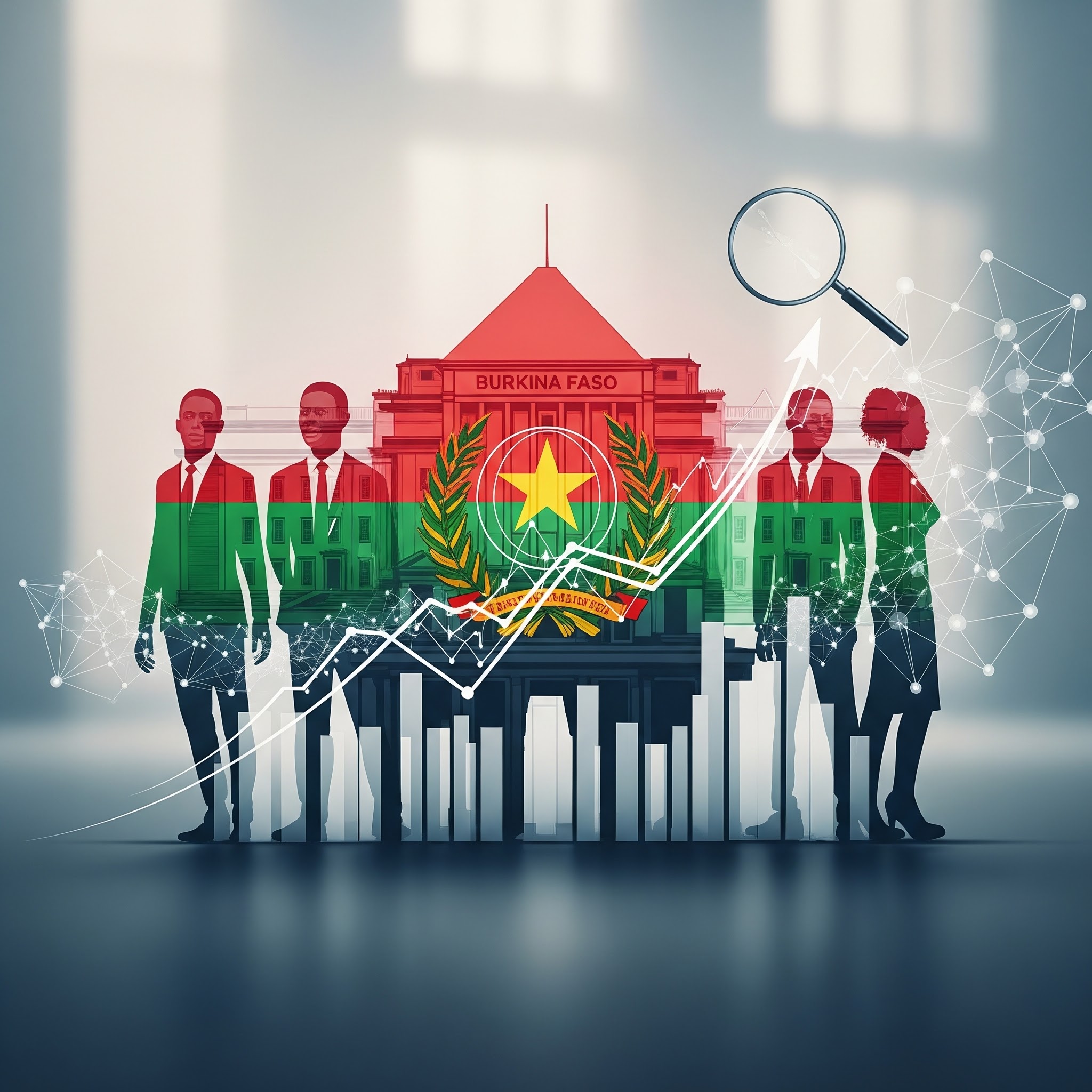
In 2012, ALG successfully completed a critical assignment for the Ministry of Gender and Family in Burkina Faso: conducting a comprehensive gender diagnosis across various government ministries and institutions. This initiative was a significant step towards assessing and strengthening the nation’s commitment to gender mainstreaming.
The Imperative for a Gender Diagnosis
The core objective of this diagnosis was to provide a clear, evidence-based assessment of the efforts undertaken by different sectors of the government to integrate gender perspectives into their policies, programs, budgets, and institutional cultures. By identifying strengths, weaknesses, opportunities, and threats (SWOT analysis) related to gender equality, the diagnosis aimed to inform targeted interventions and foster a more equitable public service landscape.Approach and Methodology
ALG employed a rigorous and participatory methodology to ensure the relevance and accuracy of the findings. The approach was structured around the following key components:
- Desk Review and Document Analysis:
A thorough review of existing national gender policies, legal frameworks (including international and regional commitments), sector-specific strategies, organizational charts, and annual reports of the targeted ministries and institutions was conducted. This step established a baseline understanding of the formal commitment to gender equality.
- Institutional Capacity Assessment:
This focused on evaluating the internal capacity for gender mainstreaming.
Key areas of inquiry included:
- Existence and Functionality of Gender Focal Points/Units: Assessing the mandate, resources, and influence of the designated gender mechanisms within each institution.
- Staff Competencies: Evaluating the level of gender sensitivity and technical skills among staff, particularly those in decision-making positions, through training records and direct interviews.
- Resource Allocation: Analyzing the extent to which budgets were gender-responsive, ensuring resources were dedicated to activities promoting gender equality.
- Data Collection and Stakeholder Consultation:
- Qualitative Interviews: In-depth, semi-structured interviews were conducted with key informants, including Ministers, Permanent Secretaries, Directors of Administration and Finance, Gender Focal Points, and representatives from civil society organizations (CSOs) and development partners. These conversations sought to understand the practical challenges and successes of gender integration.
- Focus Group Discussions (FGDs): FGDs were held with various groups of staff (men and women at different hierarchical levels) to gather diverse perspectives on the organizational culture, resistance to change, and perceived impact of gender initiatives.
- Survey Questionnaires: Structured questionnaires were administered to a broader sample of employees to quantify levels of awareness, attitudes, and practices related to gender equality in the workplace and in program delivery.
- Analysis and Report Generation:
The collected data—both qualitative and quantitative—was systematically analyzed against established gender mainstreaming indicators. The final diagnosis report provided a clear rating or score for each institution, highlighting specific areas for improvement and offering concrete, actionable recommendations tailored to the mandate of each ministry and institution.
Impact and Legacy
The successful completion of this gender diagnosis by ALG in 2012 provided the Ministry of Gender and Family with a vital strategic tool. The findings were instrumental in:
- Policy Refinement: Informing the revision and development of the National Gender Policy and associated sectoral strategies.
- Targeted Capacity Building: Guiding the design of specific gender training programs for public sector employees where capacity gaps were most pronounced.
- Accountability: Establishing a baseline against which future progress on gender equality could be measured and monitored, fostering greater institutional accountability.
This assignment underscored Burkina Faso’s commitment to transforming its public sector into a more equitable and effective driver of national development through the consistent integration of a gender perspective.