

ALG has successfully completed a high-stakes consultancy mandate commissioned by the World Bank and the Government of Burkina Faso. The assignment, focused on the critical fight against child malnutrition, has delivered a comprehensive roadmap to enhance Social and Behavioral Change Communication (SBCC) across the country.
The completion of this project marks a pivotal step in the “Health Services Reinforcement Project” (HSRP) and the “Emergency Local Development and Resilience Project” (PUDTR), aimed at addressing the nutritional crisis in a context where 21.6% of children under five suffer from stunting.
A Response to a Critical National Need
The assignment was launched against a backdrop of urgent need. With only 23.9% of children aged 6–23 months receiving a minimum acceptable diet, the Government of Burkina Faso has been prioritizing the convergence of health and social protection services.
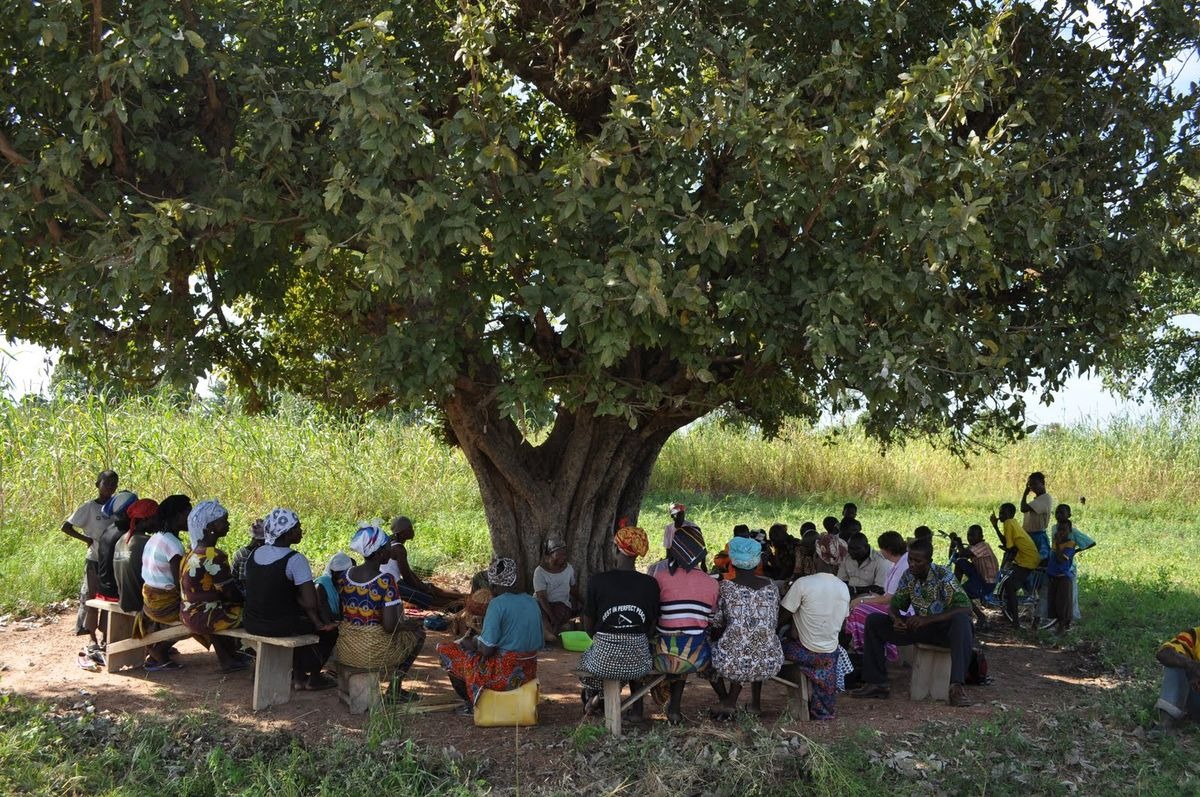
ALG’s mission was to evaluate the capacity of frontline workers—including facility-based agents and community workers—to deliver life-saving nutrition messages effectively. The ultimate goal of this work is to support the distribution of Small Quantity Lipid-based Nutrient Supplements (SQ-LNS) to approximately 84,000 children.
Delivering on Complex Objectives
Navigating a challenging security context, ALG successfully executed the three-phase approach outlined in the project’s terms of reference:
- National Mapping: ALG delivered a complete mapping of nutrition-related SBCC service providers across all sectors and regions of Burkina Faso. This included a detailed breakdown of delivery mechanisms and intervention areas.
- Targeted Regional Assessment: In the priority regions of the East and Boucle du Mouhoun, the firm conducted an in-depth evaluation of the Knowledge, Attitudes, and Practices (KAP) of key community agents. This covered three vital sectors:
- Social protection (social workers)
- Health (community health workers)
- Agriculture (agricultural extension agents).
- Capacity and Gap Analysis: The team provided a clear analysis of the human resources, materials, and equipment currently available, while identifying critical gaps that have historically hindered the effective diffusion of nutrition messages.
Key Deliverables and Outcomes
To the satisfaction of the World Bank and national stakeholders, ALG submitted a robust package of deliverables essential for future policy planning:
- Comprehensive Final Report: A detailed document (available in French and English) summarizing the research methodology, data collection processes, and key findings regarding provider capacity.
- Strategic Database: A transparent compilation of raw data and interview notes to support evidence-based decision-making.
- Operational Protocols: High-quality qualitative instruments and safety protocols that ensured the security of research teams and participants during the data collection phase.
Impact on National Beneficiaries
The insights provided by ALG are set to drive the “convergence” strategy championed by the World Bank’s Social Protection and Jobs (SPJ) and Health, Nutrition, and Population (HNP) teams.
By identifying exactly where gaps in knowledge and equipment exist, the government can now better layer nutrition counseling onto existing social safety net transfers. This ensures that interventions like the monthly distribution of nutritional supplements are accompanied by effective behavioral change communication, maximizing their impact on child growth and development.
The successful completion of this assignment provides the evidence base needed to scale up interventions that will protect the developmental potential of Burkina Faso’s next generation.