


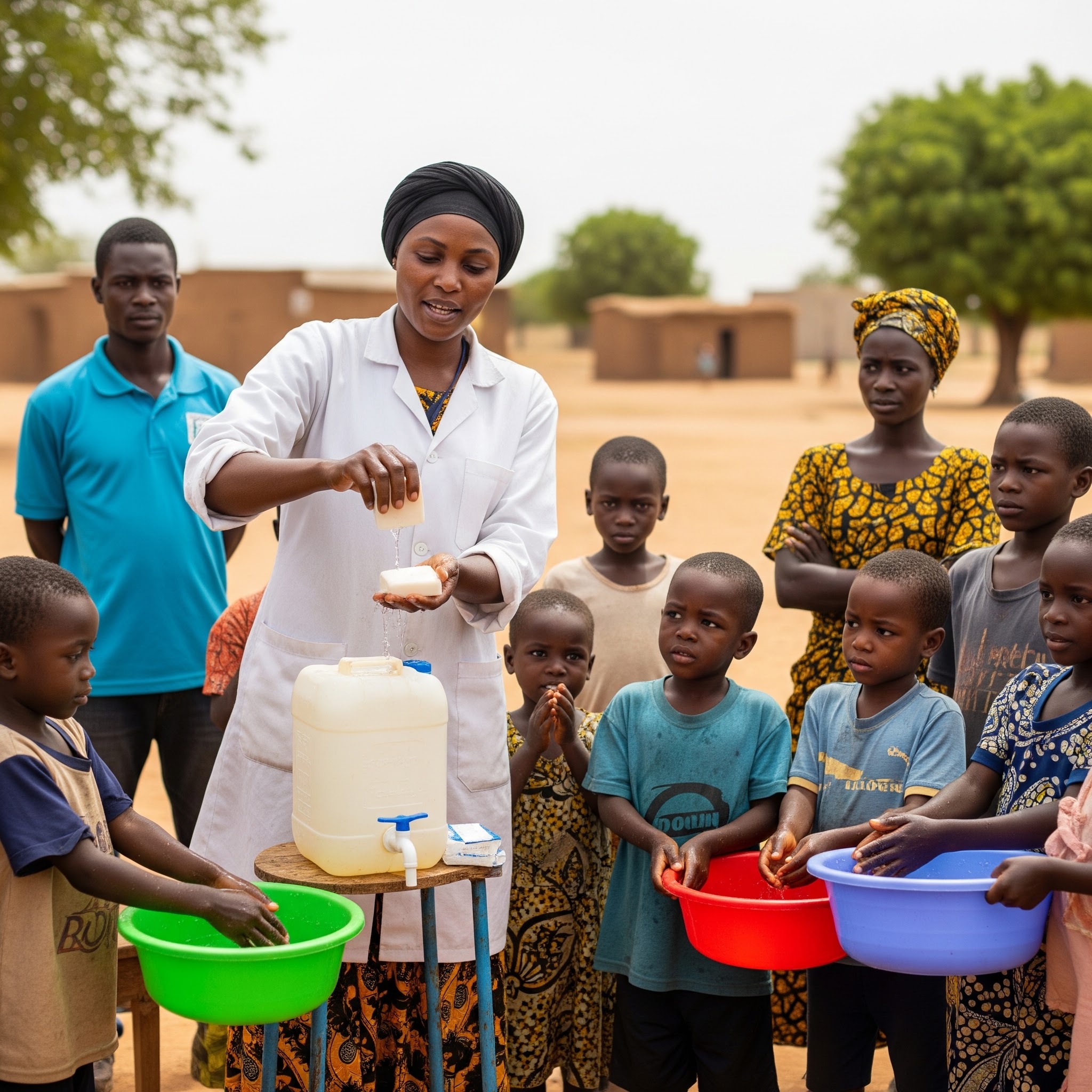
The COVID-19 pandemic did more than trigger a global health crisis; it unleashed a devastating socio-economic storm, particularly on vulnerable groups like women and youth in already fragile intervention areas. When GIZ tasked us (ALG) in 2021 with designing a strategy and fund to mitigate these impacts in Mali, we knew a one-size-fits-all approach wouldn’t work.
Our key insight was simple yet profound: Effective mitigation requires a foundation built on granular, validated needs assessment and locally-tailored implementation tools.
The ALG Insight: Beyond Relief, Towards Sustainable Empowerment
Many emergency responses focus solely on immediate relief. While critical, this often misses the underlying systemic vulnerabilities that the crisis exacerbated. Our approach, highlighted by the focused study mentioned: “Design of the strategy for setting up a fund to mitigate the socio-economic impacts of the covid-19 pandemic in the project intervention area for the benefit of women and young people – GIZ,” demonstrated this core principle:
- Needs Assessment as the Blueprint:
We didn’t rely on assumptions. The first and most crucial step was assessing the specific needs of the target groups—women and young people—within the project intervention area. In a context like Mali, this meant understanding:
- How the pandemic uniquely disrupted women’s informal businesses and access to markets.
- The impact of school closures and economic downturns on youth employment and training opportunities.
- The most pressing gaps in local capacity and existing social safety nets.
This deep dive ensured that the resulting fund would address real bottlenecks, not perceived ones, maximising the impact of every resource invested.
- Tool Development for Local Ownership:
A brilliant strategy is useless without practical means of execution. Our project’s second pillar was developing the tools for the implementation of the project. This wasn’t just about financial models; it involved creating practical instruments that local partners could readily use:
- Fund Disbursement Criteria: Simple, transparent rules that prioritized the most affected and potentially high-impact initiatives (e.g., micro-grants for women-led food processing units).
- Monitoring & Evaluation Frameworks: User-friendly tools that allowed for real-time tracking of socio-economic indicators and fund performance, ensuring accountability and adaptability.
- Capacity Building Modules: Materials to train local implementers on project management, financial literacy, and gender-sensitive approaches.
By focusing on these core insights—validated needs and localized tools—ALG ensured that the GIZ-supported fund wasn’t just another temporary handout. It was a structured, resilient mechanism designed to empower women and youth to recover their livelihoods, build resilience against future shocks, and become drivers of economic stability in their communities.
ALG conducted this assignment in 2021, proving that a data-driven, localized approach is the most sustainable way to navigate global crises.