Category: Capacity Building

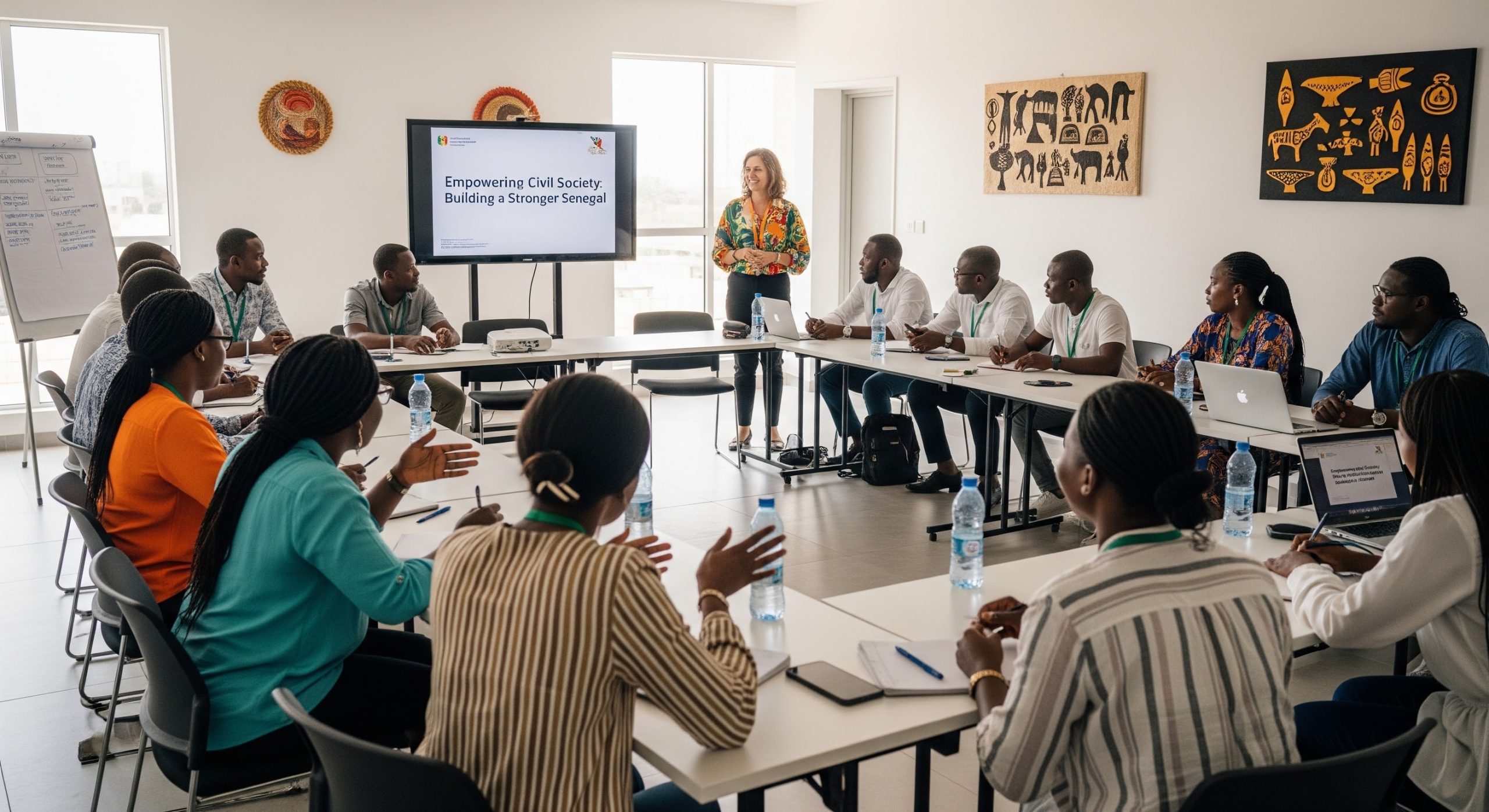
Empowering Senegalese Civil Society: The ALG Capacity Building Program

The vitality of civil society organizations (CSOs) is crucial for sustainable development. From 2012 to 2013, the Africa Label Group (ALG), supported by USAID, implemented a targeted program to bolster the capacity of key Senegalese CSOs. This initiative was designed to enhance the institutional strength and operational effectiveness of organizations receiving USAID grants, specifically Enda Graf Sahel, ONG 3D, and ANAFA.

ALG’s Core Insights and Methodology

ALG’s approach was founded on a critical insight: true capacity building must be organization-led and rooted in rigorous self-assessment. External interventions, however well-intentioned, can only succeed if they align with the CSOs’ internal understanding of their own strengths and weaknesses.

The Methodology was structured in three phases:

  1. Expert-Led Self-Diagnosis (The Foundation)

ALG’s first step was to provide expert facilitation for a comprehensive self-diagnosis. This was not an external audit but a facilitated internal review. The expertise offered by ALG helped the CSOs to:

  • Systematically analyze their governance, financial management, programmatic impact, human resources, and internal processes.
  • Identify critical gaps and bottlenecks in their structure and operations that hindered their effectiveness and sustainability.
  • Establish a baseline for their current capacity level, moving beyond anecdotal evidence to data-driven assessment.

Insight in Action: By empowering the CSOs to lead their own diagnosis, ALG ensured ownership of the findings, which is paramount for successful implementation of reforms.

  1. Strategic Planning for Impact (The Blueprint)

Based on the self-diagnosis, the CSOs moved into a strategic planning phase, again facilitated by ALG’s experts. This phase transformed identified needs into actionable, long-term plans. Key activities included:

  • Vision and Mission Review: Re-aligning organizational goals with current operational realities and donor expectations (specifically USAID’s objectives).
  • Prioritization of Reforms: Identifying 3-5 critical areas (e.g., diversifying funding, improving monitoring and evaluation, enhancing communication) for immediate and medium-term action.
  • Developing a Strategic Roadmap: Crafting a clear document outlining objectives, key performance indicators (KPIs), resource allocation, and timelines for capacity development.

Insight in Action: ALG’s role was to provide the framework and tools, ensuring the strategic plans were realistic, measurable, and directly addressed the weaknesses uncovered during the self-diagnosis.

  1. Targeted Capacity Building Workshops (The Implementation)

The final phase involved a series of hands-on workshops designed to fill the specific competency gaps identified in the strategic plans. Unlike generic training, these sessions were customized for the needs of Enda Graf Sahel, ONG 3D, and ANAFA. Workshop themes likely included:

  • Proposal Writing and Resource Mobilization: Training on developing compelling and compliant proposals to secure future funding beyond the current USAID grant.
  • Financial Management and Accountability: Enhancing internal controls, budgeting, and financial reporting standards to meet stringent donor requirements.
  • Monitoring, Evaluation, and Learning (ME&L): Equipping staff with tools to measure program impact effectively, ensuring accountability and continuous improvement.

The Result:

The ALG-USAID partnership successfully transitioned these CSOs from a reactive operational model to a proactive, strategically-led one. By combining expert-led self-assessment with tailored strategic planning and training, the initiative built a lasting foundation for institutional resilience and sustainable development impact within Senegal’s civil society landscape.
Read More

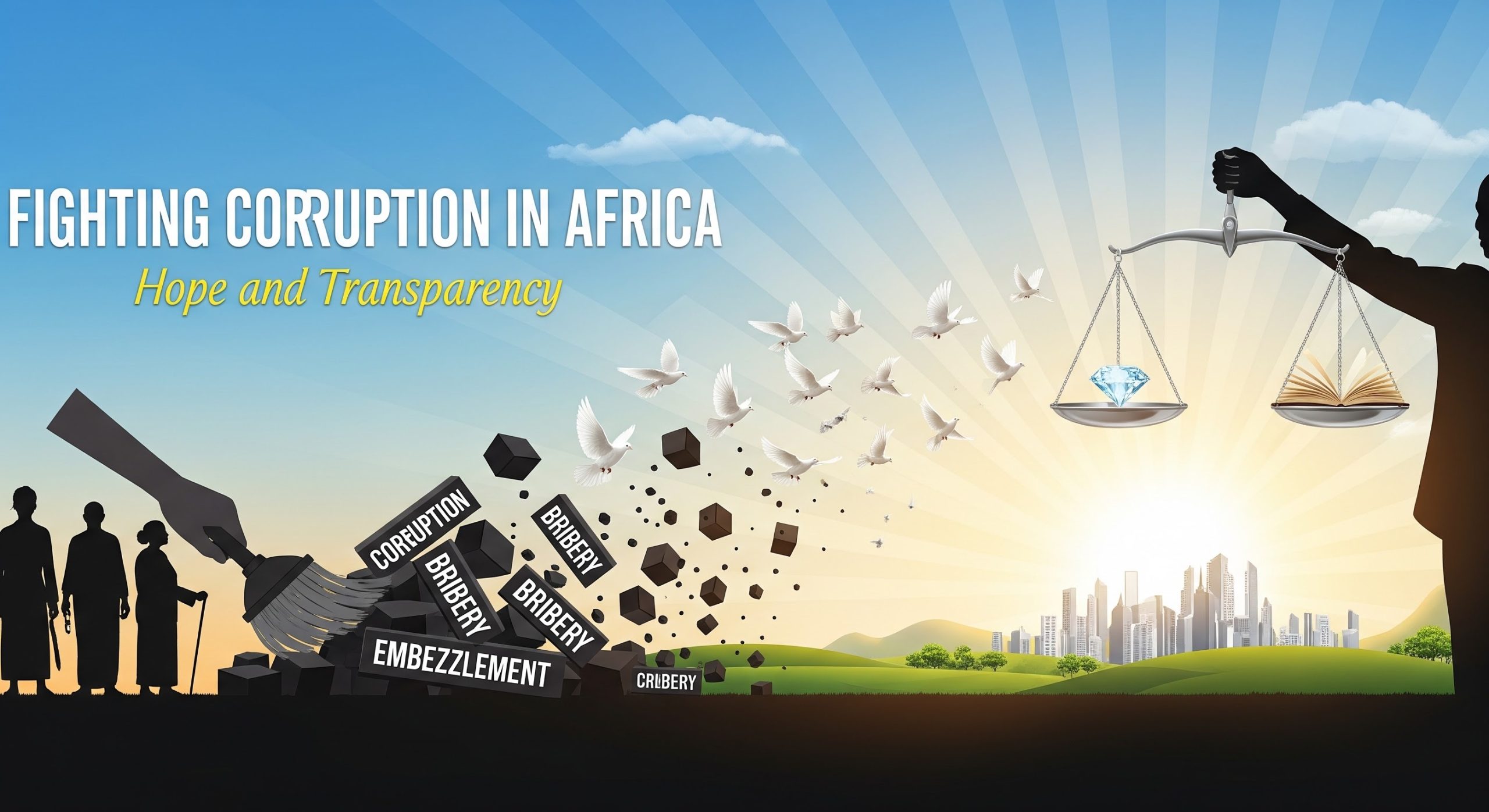
Fighting corruption by assisting both public and private sector organizations

The fight against corruption is a global challenge, particularly in developing nations where institutional fragility can be exploited. From 2007 to 2009, the International Foundation for Electoral Systems (IFES) recognized this imperative and partnered with the Africa Label Group (ALG) for a crucial intervention aimed at strengthening the anti-corruption framework in Burundi. This collaboration was more than a series of isolated tasks; it was a dedicated, multi-faceted strategy to design and implement robust mechanisms to combat entrenched corruption within the nation’s public sector.

ALG was entrusted with executing a comprehensive set of activities that focused on both the supply and demand sides of the anti-corruption fight. The core of the intervention was dedicated to providing targeted support to key public bodies whose mandate is critical for integrity and accountability:

  • Inspection Générale d’Etat (IGE): The General State Inspectorate, responsible for auditing public accounts and administrative processes. Support focused on enhancing its capacity for rigorous investigations and oversight.
  • La Cour Anticorruption: The Anti-Corruption Court, a specialized judicial body. The program aimed to strengthen its ability to handle complex corruption cases, ensuring timely and fair prosecution and judgment.
  • La Brigade Spéciale Anti-Corruption (BSAC): The Special Anti-Corruption Brigade, the investigative arm of the judiciary. Capacity building was vital here to improve forensic investigation techniques and evidence gathering.

The intervention also recognized the crucial role of civil society as a watchdog. Support was extended to OLUCOME (Observatoire de Lutte contre la Corruption et les Malversations Économiques), a leading civil society organization. Empowering OLUCOME helped to mobilize public opinion, monitor government integrity, and advocate for policy reforms, thereby increasing the demand for good governance and accountability from the citizenry.

The array of activities undertaken by ALG was comprehensive and strategic, designed to create a lasting institutional impact:

  1. Capacity Building and Professional Development: This was a cornerstone of the project. It involved extensive training for personnel across all supported institutions. Training modules covered specialized areas such as financial investigations, asset recovery, prosecutorial techniques for corruption crimes, ethical standards, and modern auditing practices. The goal was to professionalize the anti-corruption workforce.
  2. Development and Reform of Legal and Institutional Frameworks: ALG provided technical assistance to review, draft, and refine the legal instruments necessary for effective corruption fighting. This included support for updating anti-corruption laws, improving procurement regulations, and establishing clear codes of conduct for public officials. The aim was to ensure that the institutions had the necessary legal teeth to execute their mandates.
  3. Enhancing Institutional Coordination and Communication: Corruption is often successfully fought when institutions work in concert. A key focus was improving communication channels and coordination mechanisms between the IGE, the Court, and the Brigade to streamline case processing, information sharing, and joint operations.
  4. Strategic Planning and Operational Support: ALG assisted the institutions in developing clear strategic plans and improving internal operational procedures, leading to greater efficiency and transparency in their work.

The partnership between IFES and ALG from 2007 to 2009 delivered a significant, multi-pronged effort to bolster Burundi’s anti-corruption architecture. By simultaneously strengthening key government bodies and empowering civil society, the initiative laid a foundational framework for greater transparency, accountability, and the long-term pursuit of integrity in Burundian public life.

Read More

Specialized Training on Banking and Negotiable Instruments Law in Burundi

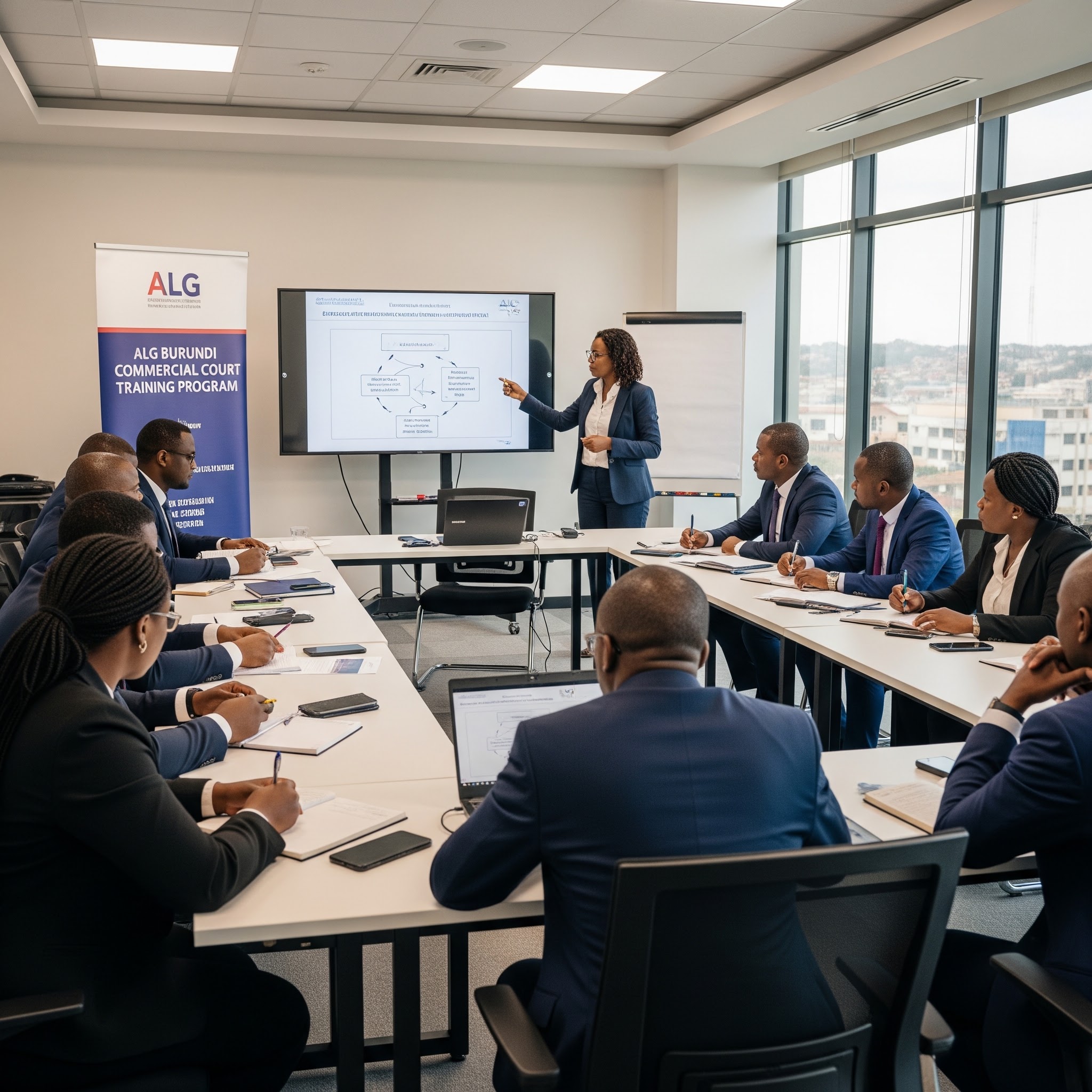
In 2011, Africa Legal Group successfully executed a specialized training program in Burundi, specifically tailored for magistrates of the Commercial Court. The initiative focused on two critical and complex areas of commercial jurisprudence: Banking Law (Droit bancaire) and the Law of Negotiable Instruments (Droit cambiaire). This mission was mandated by the Government of Burundi and was supported by the World Bank-funded Economy Governance Support Project (PAGE).

Scope and Impact of the Training:

The training was meticulously designed to address the practical challenges faced by commercial magistrates in adjudicating cases involving financial transactions, credit operations, and the use of commercial instruments such as checks, bills of exchange, and promissory notes.

Services Provided by ALG:

ALG’s service provision encompassed:

  1. Curriculum Development: Creating a comprehensive, context-specific module that synthesized international legal standards with the nuances of Burundian commercial law.
  2. Expert Instruction: Deploying seasoned legal consultants and academics with deep expertise in commercial and financial law to serve as instructors.
  3. Practical Case Studies: Integrating real-world scenarios and hypothetical case studies to transition theoretical knowledge into practical application.
  4. Resource Documentation: Providing magistrates with a robust set of reference materials, legal texts, and simplified guides on the complex topics covered.
  5. Post-Training Support: Offering avenues for follow-up and clarification, solidifying the long-term impact of the knowledge transfer.

Extent of the Training:

The program was intensive, spanning a dedicated period to ensure thorough coverage of the subject matter. It delved into fundamental concepts, including:

  • Banking Law: The legal framework governing banking institutions, lending agreements, security interests, electronic banking, bank liability, and regulatory compliance.
  • Negotiable Instruments Law: The technicalities of drafts, endorsement, presentment, dishonor, and the legal recourses available to parties involved in commercial paper transactions, ensuring magistrates could accurately interpret the rights and obligations arising from these instruments.

Knowledge Transmitted to Beneficiary Magistrates:

The training aimed to equip the Commercial Court magistrates with advanced specialized knowledge, enabling them to:

  • Enhance Judicial Competence: Improve the quality and consistency of judgments in complex commercial disputes, thereby strengthening the predictability and reliability of the commercial justice system in Burundi.
  • Resolve Technical Disputes: Gain the necessary tools to navigate highly technical legal arguments involving financial instruments and banking regulations, which are crucial for a functioning commercial economy.
  • Promote Economic Confidence: By demonstrating a high level of legal expertise in commercial matters, the magistrates contribute to a legal environment that is attractive to both domestic and foreign investors, fostering confidence in the Burundian financial sector.

The 2011 training underscores ALG’s commitment to reinforcing the legal capacity within emerging economies and facilitating the development of a robust and informed commercial judiciary.

Read More

Evaluation of the Support Program for the Implementation of the Response Plan for Educational Continuity in Burkina Faso

  • Project: Evaluation of the Support Program for the Implementation of the Response Plan for Educational Continuity in Burkina Faso
  • Country: Burkina Faso
  • Client: Agence Française de Développement (AFD)
  • Period: October 2022-March 2023

Description of the intervention:

ALG was recruited by AFD to conduct the final evaluation of the Response Plan Support Program to (i) report on the activities financed with regard to the criteria of relevance, effectiveness, efficiency, sustainability, gender equality and equity; (ii) highlight what this health crisis has revealed about the functioning of the education system; and (iii) contribute to learning lessons from the management of this situation by the education community, by striving to show the progressive progression of the stages between observations (raw data), findings (developed indicators, ratios), judgments made and lessons/recommendations.

The objective of the service is to conduct the final evaluation of the Support Program for the Response Plan for Educational Continuity in Burkina, which will be carried out at the end of the eighteen months of implementation and will make it possible to report on the activities financed with regard to the criteria of relevance, effectiveness and efficiency.

Beyond the program financed by the GPE, the evaluation will focus on highlighting what this health crisis has revealed about the functioning of the education system to help learn lessons from the management of this situation by the education community. The service provider will strive throughout its work to clearly show and explain the progressive progression of the stages between observations (raw data), findings (developed indicators, ratios), judgments made and lessons/recommendations.

Read More

Advocacy and lobbying in the creative industries sector

The project

  • Mission Title: Training in Networking and Advocacy/Lobbying Techniques in the Arts and Culture Sector
  • Country: Burkina Faso
  • Client: Arterial Network
  • Year: 2014

Capacity building of civil society organizations in culture and the arts in structuring and implementing strategies to make the creative economy viable in Burkina Faso.

ALG conducted the Training of delegates from the arts and culture sectors in Burkina Faso in networking, advocacy and lobbying techniques;
Support for delegates from the arts and culture sectors in identifying opportunities for synergy and complementarities.

Our Insights: Advocacy and Lobbying in the Creative Industries Sector in Burkina Faso and Other African Countries

The creative industries sector encompasses a wide array of fields, including arts, culture, design, media, and entertainment. In Burkina Faso and other African nations, the potential of this sector is immense, yet it often remains underutilized due to a range of systemic challenges. Advocacy and lobbying are critical tools that can play a pivotal role in transforming the landscape of creative industries, fostering sustainable economic growth, and enhancing cultural representation.

 The Importance of Advocacy

Advocacy in the creative industries involves promoting the interests and needs of artists, creators, and cultural organizations to policymakers and stakeholders. In Burkina Faso, where traditional art forms coexist with contemporary practices, advocacy can help raise awareness of the value of cultural heritage and creative expression. It allows local artists to voice their concerns regarding funding, copyright protections, and access to markets.

Furthermore, advocacy helps to build a supportive ecosystem for the creative sector. By mobilizing communities and stakeholders, advocates can highlight the contributions of the arts to national identity, social cohesion, and economic development. This is particularly significant in African countries where cultural industries can serve as a means of addressing social issues, such as youth unemployment and gender inequality.

The Role of Lobbying

Lobbying complements advocacy by directly influencing policy decisions through targeted communication with lawmakers and government officials. In the context of Burkina Faso and other African nations, lobbying efforts can focus on securing favorable policies that support the creative industries. This includes tax incentives for artists, grants for cultural initiatives, and investment in infrastructure that nurtures artistic talent.

One notable area for lobbying is intellectual property rights. Many creative professionals in Africa struggle with the protection of their work, facing challenges such as piracy and inadequate enforcement of copyright laws. Through effective lobbying, stakeholders can push for stronger legal frameworks that safeguard artistic creations, thereby encouraging innovation and investment in the sector.

Benefits of Advocacy and Lobbying

1. Economic Growth: The creative industries have the potential to significantly contribute to GDP and job creation in Burkina Faso and across Africa. By advocating for policies that support these sectors, stakeholders can help unlock new economic opportunities.

2. Cultural Preservation: Advocacy efforts can lead to the recognition and preservation of traditional art forms, ensuring that cultural heritage is passed down through generations. This is particularly vital in a globalized world where local cultures are at risk of being overshadowed.

3. Social Change: The arts can be a powerful medium for social change, addressing pressing issues such as inequality, identity, and human rights. Advocacy and lobbying can amplify the voices of marginalized groups within the creative sector, fostering inclusivity and diversity.

4. Regional Collaboration: By engaging in advocacy and lobbying efforts, creative professionals can foster regional collaboration across African countries. Joint initiatives can enhance the visibility of African arts on the global stage and promote cultural exchange.

In Burkina Faso and other African nations, advocacy and lobbying are essential for nurturing the creative industries sector. By promoting the interests of artists and cultural organizations, these efforts can lead to favorable policies and increased investment, ultimately contributing to economic development and cultural preservation. As the world increasingly recognizes the value of creativity, it is imperative for African nations to harness the power of advocacy and lobbying to secure their place in the global creative landscape.

Read More

Project development, management and monitoring and evaluation, Bugesera District

Project Title: Capacity Building Initiative: Project Cycle Management for Bugesera District Officials

Client/Partners: RALGA/World Bank

Location: Rwanda

Year: 2010

Summary of Mission:

This mission was designed to significantly enhance the technical and operational competencies of approximately thirty elected officials and administrative personnel within the Bugesera District, Rwanda. The core focus of the program was to provide essential training in the critical areas of project development, management, and monitoring-evaluation. This capacity building effort aimed to strengthen local governance and promote the successful implementation of sustainable development projects.

Key Training Components:

The comprehensive curriculum was structured around three interconnected areas, providing participants with the necessary methodologies and tools:

  1. Project Development & Design: Participants learned to effectively identify community needs, define clear project objectives, and create robust, actionable plans. A strong emphasis was placed on participatory approaches to ensure projects were fully aligned with the aspirations of the local populace.
  2. Project Management & Implementation: The training covered vital management techniques, including strategic resource allocation, meticulous budgeting, and effective team coordination. The goal was to equip participants with best practices for overseeing project execution, ensuring timely and efficient service delivery.
  3. Monitoring and Evaluation (M&E): This critical component focused on establishing systematic frameworks for tracking project progress and assessing overall impact. Trainees were instructed on developing relevant indicators and using data-driven evidence to evaluate outcomes and inform future decision-making cycles.

Mission Expertise:

The training was delivered by a skilled team of experts from ALG:

  • Dany K. Ayida, Team Leader: Provided overall oversight and ensured the training’s relevance and alignment with the specific context and needs of Bugesera District.
  • Dismas Bavekyumusaya, Trainer: Led sessions on project evaluation methodologies, focusing on strengthening participants’ analytical skills in monitoring and assessment.

Outcome:

The collaborative mission between RALGA, the World Bank, and the ALG expert team successfully empowered Bugesera District’s leadership with vital project cycle management skills. This initiative laid a robust foundation for improved governance and is expected to lead to enhanced service delivery and sustainable development initiatives that effectively address the needs of the district’s residents.

Read More

Capacity building on Gender Mainstreaming in the project cycle

The overall objective is to improve the practice and consideration of gender in the programmatic cycle of TdH partners. This objective was pursued by focusing the Gender aspect on Children’s Rights and by paying particular attention to the elements of the TdH Action Plan, namely the fight against the Worst Forms of Child Labor (WFCL) and violence, trafficking and migration, the right to education and food, youth participation, and impact measurement.

  • Mission title: Training partners in taking gender into account in the program cycle
  • Client: Terre des Hommes
  • Country: Burkina Faso
  • Year: 2014

Services provided:

Improve Terre des Hommes’  partners knowledge and practice on gender for better promotion of children’s rights
Equip our partners on gender integration techniques in the program cycle (Analysis of the gender and children’s rights situation, planning, implementation, gender and rights in monitoring and evaluation, etc.)

ALG team of experts for this mission:

  • NUMBER Issa, Head of mission (gender specialist)
  • TOE Elise, Trainer (monitoring and evaluation specialist)
Read More

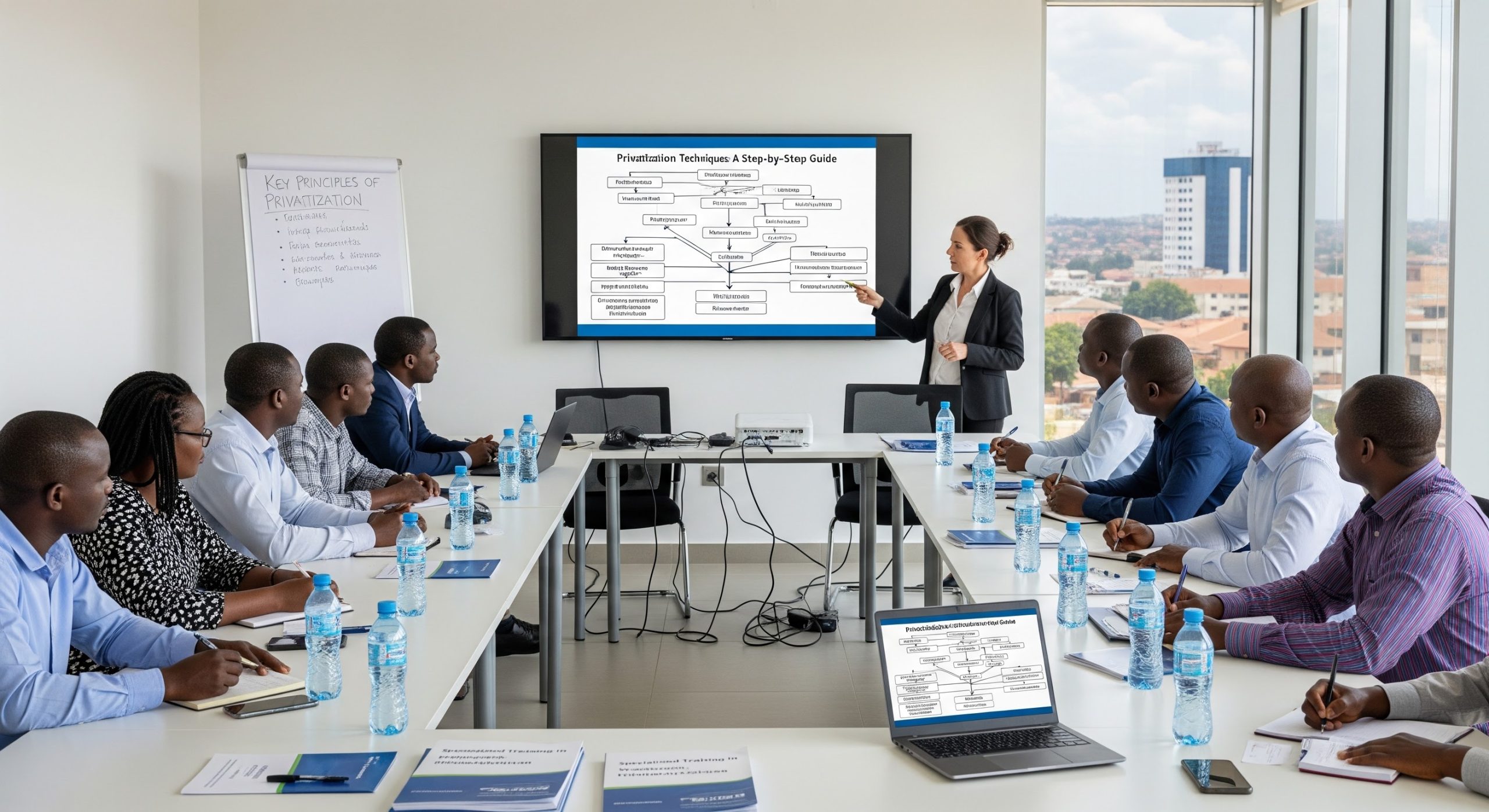
Specialized Training in Privatization Techniques for Burundian Public Enterprise Experts

Mission Overview: Enhancing Economic Governance

The assignment, titled “Training in privatization techniques for experts from the Department in Charge of Public Enterprises,” was a vital component of the broader Economic Governance Support Project (PAGE), funded by the World Bank Group. The client for this specialized mission was the Economic Management Support Project, acting on behalf of the Government of Burundi.

The primary objective of this initiative was to provide comprehensive, high-level training to all staff and experts within the Service en Charge des Entreprises Publiques (SCEP). This training was designed to equip the SCEP team with the necessary theoretical knowledge and practical tools to effectively manage and execute the process of public enterprise reform and privatization, a key element in Burundi’s economic development agenda.

The ALG Methodology and Expert Approach

ALG leveraged its deep international expertise to design and deliver a rigorous training curriculum. The methodology adopted by ALG’s international expert was comprehensive, structured, and focused on the complete life-cycle of a privatization project. This ensured that the Burundian experts gained a holistic understanding of the process, from initial assessment to post-sale monitoring.

The training modules, delivered through a combination of lectures, case studies, and interactive workshops, covered the following critical aspects in detail:

  1. Audit of Companies to be Privatized: This module focused on the techniques for conducting thorough diagnostic audits, including financial, operational, legal, and environmental due diligence. The goal was to accurately value the enterprise, identify restructuring needs, and determine the optimal privatization strategy (e.g., share sale, asset sale, concession).
  2. Preparation of Privatization: Experts were trained on the pre-sale preparatory steps, including legal and regulatory groundwork, necessary corporate restructuring, debt management, and developing the privatization road map. This stage emphasized creating an attractive investment profile for the public enterprise.
  3. Planning of Privatization: This module delved into strategic planning, including the selection of the most suitable privatization method, setting a realistic timetable, drafting tender documents, and formulating a robust communication strategy to manage stakeholder expectations.
  4. Implementation of Privatization: The core execution phase was covered, focusing on managing the tender process, evaluating bids, negotiating with prospective buyers, and finalizing the sale and purchase agreements. The training stressed transparency and adherence to international best practices throughout the bidding process.
  5. Monitoring of Privatization: The final module addressed the post-sale responsibilities, including developing effective monitoring frameworks to ensure the buyer adheres to contractual commitments (e.g., investment targets, employment levels) and tracking the economic and social impacts of the privatization.

A Commitment to Sustainable Economic Reform

By providing this in-depth, practical training, ALG has directly contributed to strengthening the institutional capacity of the Burundian government. The empowered SCEP staff are now better equipped to manage complex public-private transactions, promoting good governance, transparency, and ultimately, ensuring that privatization efforts lead to increased efficiency, competition, and sustainable economic growth in Burundi. The successful conclusion of this mission underscores ALG’s commitment to supporting impactful economic reforms across the African continent.

Read More

Directory of cultural organizations in West Africa

The general objective of the project of which this contract is a part is as follows: “Support the development of exchanges, networks and cooperation between cultural actors in the region with a view to building a common cultural space.”

The specific objective of the project is to enable the increase in the circulation and promotion of actors, works and cultural information within the region through the development of synergies, complementarities, collaborations and partnerships between cultural actors in the region, through subsidies.

The specific objective of this contract is as follows: Provide the West African cultural sector with an educational and information tool to promote contacts between non-state actors in the sector and thus contribute to the creation and strengthening of regional networks.

The directory includes cultural organizations from the 15 ECOWAS countries and Mauritania.

ALG carried out this mission in 2009, on behalf of UEMOA and ECOWAS, with funding from the European Union.

Read More

Support for the implementation of transitional justice in Burundi

The journey towards lasting peace and reconciliation in Burundi, following years of internal conflict, hinges significantly on the successful implementation of transitional justice mechanisms. This commitment to address past human rights violations and injustices is firmly rooted in the 2000 Arusha Agreement, which laid the groundwork for a comprehensive national approach. The United Nations Development Programme (UNDP), recognizing the complexity and sensitivity of this undertaking, initiated a crucial project in 2009 to provide the necessary methodological support.

Project Overview

Project Title: Development of Methodological Tools for Transitional Justice in Burundi

Client: United Nations Development Programme (UNDP)

Country: Burundi

Year: 2009

The overarching goal of this initiative was to ensure that the process of establishing transitional justice mechanisms was truly inclusive, transparent, and reflective of the Burundian people’s aspirations. The Government of Burundi and the United Nations had jointly agreed on the necessity of establishing these mechanisms, but their formation required broad, inclusive national consultations to garner legitimacy and popular buy-in. To navigate this complex and historically charged process, UNDP sought a specialized firm to develop a robust, culturally sensitive, and appropriate methodology and set of tools for these national consultations.ALG’s Critical Role in Laying the Foundation

Our firm, ALG, was contracted to provide the specialized expertise needed to structure and execute the foundational phase of these national consultations. Our services were meticulously designed to ensure the subsequent consultations were comprehensive, methodologically sound, and yielded actionable results. Our key contributions included:

1. Data Collection and Participant Identification (National consultations)

  • Statistical Mapping: We undertook the vital task of collecting statistical data to facilitate the precise identification and geographical location of potential participants across all segments of Burundian society. This data was crucial for ensuring the consultations were genuinely representative and reached victims, perpetrators, community leaders, women’s groups, youth, and other key stakeholders. The accuracy of this initial step was paramount to the legitimacy of the entire process.
  1. Methodology and Tool Development

  • Designing the Consultative Framework: The core of our mission was the development of a comprehensive methodology and a suite of specialized tools tailored for the unique context of Burundi. This involved creating:
    • Detailed Questionnaires: Structured and semi-structured questionnaires designed to elicit specific information on experiences, perceptions of justice, and recommendations for transitional justice mechanisms.
    • Interview Guides: Flexible guides for in-depth, one-on-one or small-group interviews to capture nuanced narratives and personal testimonies.
    • Facilitation Guides: Detailed instructions and best practices for field teams on leading group discussions, managing sensitive topics, and ensuring safe and respectful dialogue.
    • Counting and Recording Sheets: Standardized forms for accurately documenting and aggregating qualitative and quantitative data collected during the consultations.
  1. Capacity Building and Training
  • Training the Consultative Project Team (CPT): We conducted intensive training sessions for the central Consultative Project Team, equipping them with a deep understanding of the developed methodology, the ethical considerations of transitional justice work, and advanced facilitation techniques.
  • Field Team Preparation: We also trained the extensive network of field teams who would be directly responsible for executing the national consultations across the country. This training focused on the practical application of the tools, culturally sensitive engagement, impartiality, and ensuring the safety and confidentiality of participants.
  1. Analysis and Reporting
  • Analysis of Findings: Following the completion of the consultations, our team was responsible for the rigorous analysis of the vast amount of qualitative and quantitative data collected. This involved identifying key themes, patterns of victimisation, public perceptions of accountability, and preferred models for truth and reconciliation.
  • Development of the General Report: The culmination of our work was the production of a comprehensive General Report on the national consultations. This document synthesized the findings, provided a detailed account of the consultation process, and presented evidence-based recommendations to the Burundian authorities on the structure, mandate, and operation of the future transitional justice mechanisms.

Impact and Outcome

The methodological groundwork laid by this mission proved to be instrumental. The high-quality deliverables—including the proven methodology, trained personnel, and the final comprehensive report—directly supported the Burundian authorities in making informed, nationally-owned decisions. By providing a clear and representative roadmap of the Burundian population’s views, our work significantly contributed to the subsequent process of setting up credible, legitimate, and effective transitional justice mechanisms essential for the consolidation of peace and fostering true reconciliation in the country. This foundational phase ensured that the mechanisms, once established, would be built on a broad national consensus, thereby maximizing their potential for long-term success.

Read More

JOIN OUR THRIVING COMMUNITY

We don’t spam! Read our privacy policy for more info.