Category: Study & Research

Development of two policies for the recruitment of primary school teachers for community teachers in Chad

Development of two policies with budgeted plans for the recruitment of primary school teachers and the payment of subsidies for community teachers in Chad

ALG has successfully completed the mission for the development of two policies in the education sector in Chad: a Policy and a budgeted plan for the recruitment of primary school teachers and the Policy and a budgeted plan for the payment of subsidies for community teachers.

  • Country: Chad
  • Beneficiary: Basic Education Learning Results Improvement Project (PARAEB)
  • Funding: World Bank
  • Period of implementation: December 2023-January 2024

Description of the intervention

This consultancy aims to develop two policy documents: the Policy and a budgeted plan for the recruitment of primary school teachers and the Policy and a budgeted plan for the payment of subsidies for community teachers.

Specific objectives
Define the budgeted policy for the recruitment of primary school teachers
Based on data from the general census of schools and its entities:

  • Take stock of existing policies on teacher recruitment, including good practices in developing countries / similar or comparable;
  • Assess the framework for recruiting teachers in the public service and propose guidelines to ensure the involvement of all stakeholders in the recruitment process of primary school teachers;
  • Analyze practices for hiring teachers and managing their careers;
  • Define criteria based on meritocracy for the recruitment of primary school teachers;
  • Develop an allocation strategy that prioritizes rural communities in need and takes into account the local mother tongue;
  • Identify and describe the main stages/dimensions of recruiting community teachers;
  • Make a simulation on the state budget of integration into the state budget and propose different possible scenarios;
  • Propose and assess the possibility of creating a new category for integrating primary school teachers and assessing the level of payment that can be sustainable in the State budget;
  • Propose options for professional mobility of teachers integrated into the civil service;
  • Propose options to ensure the recruitment of a greater number of women teachers;
  • For the project, the objective is to integrate at least 2,000 teachers into the civil service over a period of five years, of which at least 1,000 will be women;
  • Propose a budgeted strategy to ensure the integration of the 2,000 teachers over the next 5 years.
Read More

Accelerated Community Development Program (PADC) in Mauritania

  • Client: UNDP
  • Location: Mauritania
  • Period: May-August 2023

The feasibility study examined the viability of the Accelerated Community Development Program (PADC) in Mauritania and will assess whether it is likely to become a vehicle for promoting accelerated community development in line with governments’ pro-poor objectives. Specifically, the feasibility study will:

For Mauritania, its alignment with the SCAPP, the ProPEP, the priority initiative for opening up, and accelerating the digital desert, and its climate change mitigation objectives as indicated in the country’s nationally determined contribution (NDC);
Consult with key stakeholders, especially at the community level, including beneficiaries, local and central government officials, and community groups, but also technical and financial partners, to gather the necessary information and data that will maintain the relevance of PADC interventions to ensure ownership and sustainability
Develop detailed costing of PADC interventions disaggregated at regional and local levels, including detailed budgeting for all interventions such as rural roads, on-grid energy solutions, water supply, and agricultural (production and processing) equipment, livestock products and land development where needed, markets, and education and health facilities. The cost should include all direct and indirect costs of infrastructure upkeep and maintenance, including strengthening local capacity for operation and maintenance.
Review current institutional settings and propose optimal institutional oversight with defined roles and responsibilities and capacity needs of key national and subnational stakeholders that will ensure sustainability of PADC interventions.
Develop a cost-benefit analysis highlighting the likely benefits and outcomes for countries and communities, particularly the economic and social returns of the PADC
Identify potential partners and implementation modalities, including targeting and exit strategy.
Formulate a detailed and targeted resource mobilization strategy through assessment of government budgets as well as identification of international financial institutions and donors interested in financing development projects in Mauritania.

Read More

Feasibility study of an Accelerated Community Development Program (PADC) in Niger

ALG implemented the PADC study in Niger, the final report of which was validated in May 2024 by stakeholders in Niamey.

Client: UNDP
Country: Niger
Period: May-August 2023
The feasibility study examined the viability of the Accelerated Community Development Program (PADC) in Niger and will assess whether it is likely to become a vehicle for promoting accelerated community development in line with governments’ pro-poor objectives. More specifically, the feasibility study will:

  • Establish the rationale and relevance of a PUDC-type model in country contexts, including its alignment with the current national development plan of the Government of Niger (PDES-2022/2026) and its long-term vision (SDCCI), as well as the areas (cities and villages) of intervention.
  • Consult with key stakeholders, especially at the community level, including beneficiaries, local and central government officials, and community groups, but also technical and financial partners, to gather the necessary information and data that will maintain the relevance of PADC interventions to ensure ownership and sustainability
  • Develop detailed costing of PADC interventions disaggregated at regional and local levels, including detailed budgeting for all interventions such as rural roads, on-grid energy solutions, water supply, and agricultural (production and processing) equipment, livestock products and land development where needed, markets, and education and health facilities. The cost should include all direct and indirect costs of infrastructure upkeep and maintenance, including strengthening local capacity for operation and maintenance.
  • Review current institutional settings and propose optimal institutional oversight with defined roles and responsibilities and capacity needs of key national and subnational stakeholders that will ensure sustainability of PADC interventions.
  • Develop a cost-benefit analysis highlighting the likely benefits and outcomes for countries and communities, particularly the economic and social returns of the PADC
  • Identify potential partners and implementation modalities, including targeting and exit strategy.
Read More

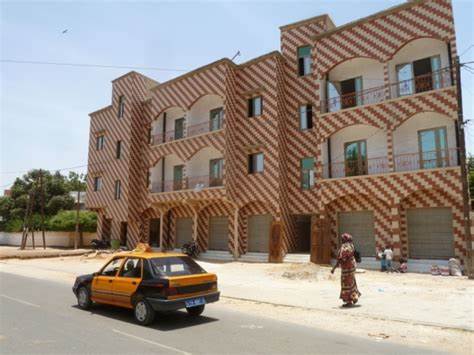
Definition of the community vision of housing in the UEMOA area

The Assignment

The overall objective of the mission is to define a community vision and develop a regional housing strategy, with a view to enabling the UEMOA Commission to position itself in the housing sector and to create a network of partners with national, regional or international stakeholders.

ALG is responsible for providing technical support to the UEMOA Commission, through the departments involved in the implementation of the Promotion of Affordable Housing Financing (PFLA) and the development and elaboration of regulatory tools (directive & harmonization of texts) and in the definition of a regional housing strategy. The firm is associated in this mission with two architectural firms: Orule Architecture and Urba Tropiques.

More specifically, it involves: “Co-constructing with stakeholders the tools promoting the implementation of a strengthened regional policy in the field of affordable housing production, in line with the objectives and recommendations of the Millennium Development Declaration”.

Assist the UEMOA commission in the development of a regulatory framework document for the production of affordable housing.

Challenges and Strategic Approach

The West African Economic and Monetary Union (UEMOA), which includes member states such as Benin, Burkina Faso, Côte d’Ivoire, Guinea-Bissau, Mali, Niger, Senegal, and Togo, faces significant housing challenges. The community vision for housing in the UEMOA area emphasizes the need for accessible, affordable, and sustainable housing solutions that cater to the growing urban population while promoting social equity and economic development.

Challenges

1. Urbanization Pressure: Rapid urbanization has led to a surge in housing demand, often outpacing supply. This has resulted in the proliferation of informal settlements and inadequate housing conditions.

2. Financial Constraints: Limited access to affordable financing options hampers both individual homebuyers and housing developers. High-interest rates, lack of mortgage products, and insufficient investment in housing infrastructure pose significant barriers.

3. Policy and Regulatory Framework: Inconsistent policies and regulatory environments across member states complicate the implementation of housing initiatives. There is often a lack of coordination among governmental bodies, leading to fragmented approaches to housing development.

4. Social Inequality: Marginalized groups, including women, youth, and low-income households, frequently face discrimination in accessing housing. This exacerbates social inequalities and hinders community cohesion.

5. Environmental Sustainability: With increasing climate change impacts, there is a pressing need for sustainable housing solutions that minimize environmental degradation and enhance resilience to natural disasters.

Strategic Approach

1. Integrated Housing Policies: UEMOA member states should develop comprehensive housing policies that align with regional goals. These policies must promote inclusivity, ensure equitable access to housing, and facilitate the development of affordable housing projects.

2. Financial Innovations: Encouraging the development of innovative financing mechanisms, such as microfinance, public-private partnerships, and housing cooperatives, can enhance access to housing finance. Additionally, establishing a regional housing fund could support low-income housing initiatives.

3. Capacity Building and Training: Enhancing the skills of local authorities, architects, and builders through training programs can improve the quality of housing. Knowledge-sharing initiatives among member states can also foster best practices in housing development.

4. Community Engagement: Involving communities in the planning and implementation of housing projects ensures that developments meet local needs. Participatory approaches can empower residents, leading to more sustainable and accepted housing solutions.

5. Sustainable Development Practice: Integrating sustainable construction methods and materials into housing projects can mitigate environmental impacts. Promoting energy-efficient designs and green spaces within urban areas will contribute to healthier living conditions.

The community vision for housing in the UEMOA area must address the multifaceted challenges of urbanization, finance, policy, social inequality, and sustainability. By adopting a strategic approach that encompasses integrated policies, innovative financing, capacity building, community engagement, and sustainable practices, UEMOA can pave the way for a more equitable and resilient housing landscape. This vision not only seeks to improve living conditions but also strengthens the socio-economic fabric of the region, fostering inclusive growth for all its inhabitants.

Read More

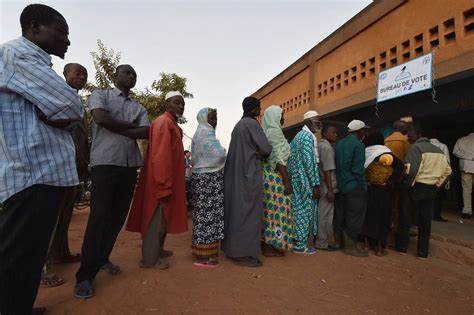
Strategy to combat electoral corruption in Burkina Faso

The initiative for developing an anti-corruption strategy comes from the High Authority for State Control and the Fight against Corruption (ASCE-LC) and the Independent National Electoral Commission (CENI). Both entities are supported by the United Nations Development Programme (UNDP).

ALG has been mandated to provide its expertise in the process of developing the strategy. The firm’s mission is to conduct an in-depth study on electoral corruption in Burkina Faso, with an emphasis on understanding the root causes, manifestations and consequences of this phenomenon. The mission also involves developing a comprehensive strategy to combat electoral corruption, while engaging in a participatory approach with the main stakeholders involved in the electoral process. The firm will have to propose a monitoring and evaluation system to ensure the effective implementation of the recommended actions and develop a budget for carrying out these activities over a period of five years.

The study aims to achieve the following objectives:

  • Conduct a diagnosis: Identify, analyze and comprehensively document the different facets of electoral corruption, highlighting its underlying causes, concrete manifestations and consequences on the integrity of the electoral process
  • Develop an Action Plan: Formulate a comprehensive strategy and specific actions to effectively combat electoral corruption. This strategy should include preventive, corrective and dissuasive measures, while being adapted to the Burkinabe context.
  • Propose a monitoring and evaluation system: Establish a robust monitoring and evaluation system to measure the implementation of the recommended actions, assess their effectiveness and make adjustments if necessary. This system will ensure transparency and accountability in the fight against electoral corruption.
  • Develop a Multi-Year Budget: Develop a detailed budget covering a three-year period (a three-year action plan from 2024 to 2026) in order to guarantee the necessary funding to effectively implement the strategy to combat electoral corruption. This budget must be realistic and kept up to date throughout the execution period.
Read More

Development of a national strategy for inclusive education in Burundi

  • Mission title: Development of a national inclusive education strategy in Burundi
  • Country: Burundi
  • Client: UNICEF
  • Period of execution: November 2022-May 2023

Description of the mission:

The objective of this consultancy is to ultimately have a national strategic orientation framework for inclusive education that responds to the context, national policy and legal and administrative instruments and frameworks for education in force in Burundi.
More specifically, the firm will have to make a basic inventory and an analysis of the best options for effectively taking into account inclusion in the Education sector in Burundi, which takes into account issues of ACCESS, QUALITY as well as management and financing. This will then involve:

  • Defining the outline of inclusive education to identify the profile and needs of the children concerned in the education sector;
  • Describing the national and international foundations of the national inclusive education strategy;
  • Analyze the issues and define the basic principles that should underpin the implementation of the strategy for the education sector;
  • Analyze and demonstrate how to promote the supply, demand and quality of inclusive education;
  • Propose an institutional mechanism for steering and financing inclusive education with sustainable mechanisms for monitoring, caring for and supporting children with disabilities;
  • Provide practical guidance adapted to the Burundi context for strengthening and improving inclusive education in planning, implementation, monitoring, evaluation and reporting
  • Make solid recommendations for effective implementation of the national inclusive education strategy in Burundi.

Outcomes of the study

This mission was carried out under the supervision of UNICEF, in partnership with other education stakeholders in Burundi. The Ministry of National Education played a major role in the process by mobilizing and engaging stakeholders at all levels. Burundi now has its national inclusive education policy, accompanied by a quantified action plan.

Read More about our Education Services.

Read More

Development of the regional strategy for stabilization, recovery and resilience of Liptako-Gourma

  • Mission Title: Development of the Liptako-Gourma Regional Stabilization, Recovery and Resilience Strategy
  • Region/Country: Liptako-Gourma: Burkina Faso, Mali, Niger
  • Client: UNDP/Liptako Gourma Authority
  • Period: 2002-2003
  • Status of Implementation: Completed

Mission Description:

In close collaboration with the  Liptako Gourma Authority and in consultation with Member States and all stakeholders, the firm’s mission is to:

  • Develop the ALG regional stabilization strategy by prioritizing areas of intervention while taking into account the ALG intervention strategy;
    Conduct an in-depth situation analysis on stabilization issues in the Liptako-Gourma region (strategic stabilization priorities, stakeholder engagement, intervention logic, etc.);
  • Review analyses of conflict causes and identify entry points for peace and stability; work in parallel with the firm that is carrying out the conflict analysis of the LG region;
    Identification/mapping of partners and their initiatives involved in the areas of implementation of the stabilization project;
  • Drawing lessons from the SSR in the Lake Chad region
    Support the LGA in strategically prioritizing the roles and needs anticipated for the implementation of its Regional Stabilization Strategy;
  • Make recommendations on the important role that the LGA should play in convening and coordinating all actors involved in stabilization as well as in other areas of intervention, at the local, national and regional levels, including security actors; review the assessment of the institutional capacities of the LGAs and integrate the necessary support to fill the gaps and needs identified and required to ensure the sustainable implementation of the strategy over time (immediate, short, medium and long term).
    Provide the LGA with the necessary tools through which it can ensure the convergence of all stabilization efforts
    Propose the implementation mechanisms of the Strategy;
  • Make relevant recommendations for the governance structures of the stabilization mechanism, particularly at the regional and local levels, while taking advantage of the Liptako-Gourma Governors Forum to ensure close collaboration and effective exchange of information for enhanced coordination for peace and security.
  • The strategy should be flexible to allow for an extension of the scope of political and cooperation partnerships to other regional organizations such as the G5S, ECOWAS, has the effect of intensifying collaboration with emerging security and development policy and coordination frameworks in the region (the Sahel Coalition, the WB, IFPA, etc.); and ensure that the critical role of the Sahel Coalition/P3S is taken into account for the coordination of key partners and donors
  • As part of the strategy, propose effective frameworks for civil-military cooperation/coordination; The strategy should establish a mechanism for complementarity of actions, coordination and cooperation with other actors, regional and international security forces, and other donors and development partners;
  • Make a proposal for a robust monitoring and evaluation mechanism;
  • Formulate recommendations on robust mechanisms to be put in place for capacity building of national, regional and local authorities to respond to conflicts, promote social cohesion, reduce the growing security threat, intra and inter-community tensions for power and resources (search for land and water by pastoralists under old transhumance models due to climate change, modern land management practices, creation of local committees for the strengthening of existing legislation on natural resource management, border restrictions and traditional conflict resolution practices).
Read More

Design of the strategy for setting up a fund to mitigate the negative socio-economic impacts of the Covid-19 pandemic

  • Mission title: Design of the strategy for setting up a fund to mitigate the negative socio-economic impacts of the Covid-19 pandemic in the project intervention regions
  • Country: Mali
  • Client: GIZ
  • Period: 2022
  • Status of implementation: project completed

About the Assignment 

Mandate carried out by ALG: The general objective is to have a strategy for operationalizing the Fund for Mitigating the Socio-Economic Impacts of Covid-19 in the project intervention area for the benefit of women and young people.

The fund to be set up has the following specific objectives:

  • Mitigate the socio-economic impact of the pandemic on women and young people.
  • Support initiatives promoting employment for women and young people in the context of the pandemic.
  • Strengthen the social and economic participation of women and young people in local development actions.
  • Promote dialogue between the populations of the intervention area with the municipal/regional authorities.

Outcomes of the project

ALG implemented this project by deploying its team in the 3 regions covered by the GIZ project. Consultations were conducted with youth and women organizations benefiting from the interventions. Project implementation documents were designed and submitted. The GIZ team expressed its satisfaction with the quality of the expertise provided by the firm.

Read More

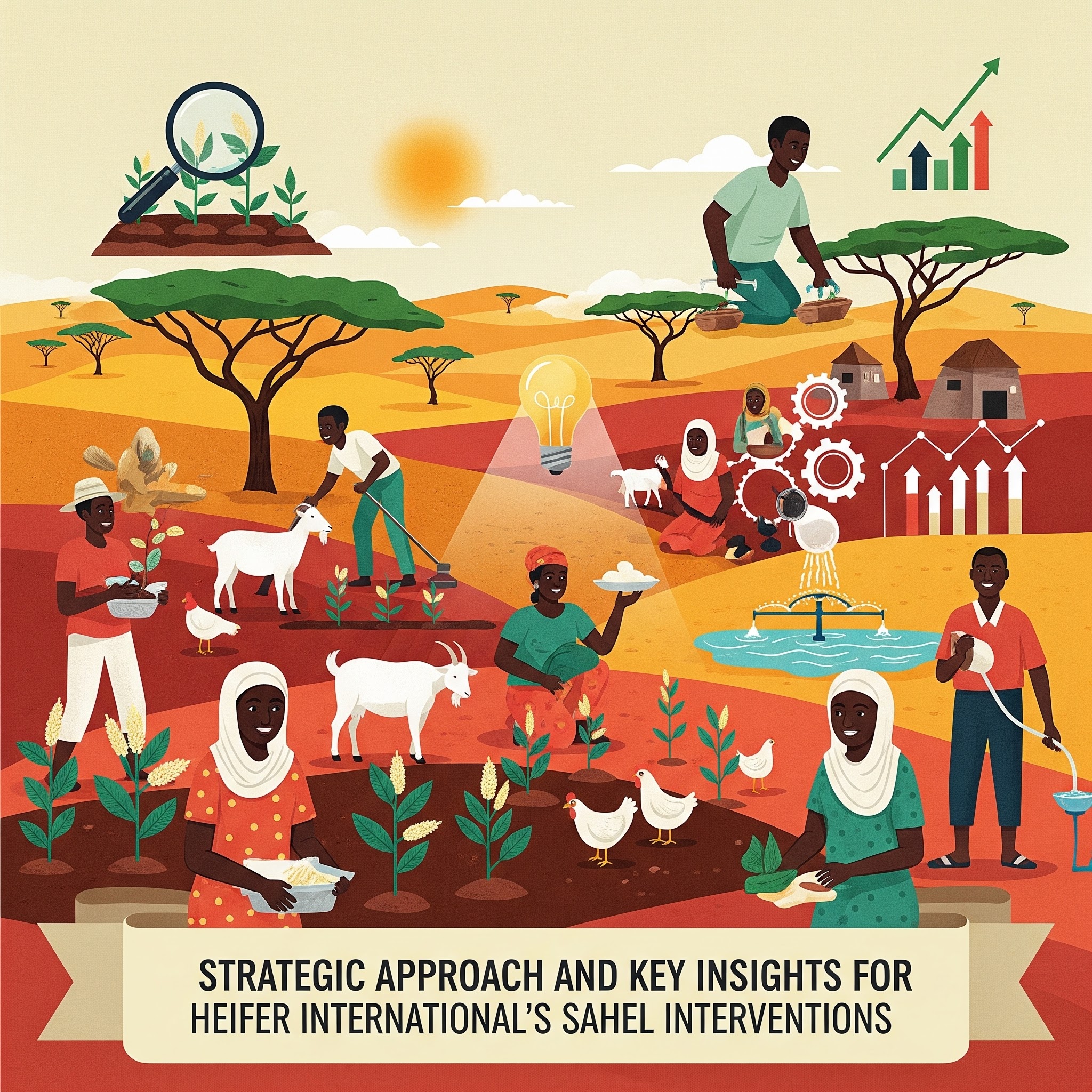
Strategic Approach and Key Insights for Heifer International’s Sahel Interventions

Project: Scoping study and Strategic Plan (2022-2027) for Heifer’s Interventions in the Sahelian Africa Countries

Client: HEIFER International

Region: Sahel (Mali, Burkina Faso, Northern Nigeria, Senegal, Mauritania, and Northern Cameroon)

The ALG Approach:

The consultancy, implemented by ALG employed a comprehensive and consultative approach to deliver a five-year strategic and operational plan for Heifer International in the Sahel. The methodology was structured around the following key phases:

  1. Situational and Contextual Analysis: The initial phase focused on a deep dive into the current landscape of development in the Sahel. This involved:
    • Situational Analysis: Reviewing and assessing ongoing development programs and interventions relevant to Heifer’s mandate across the region.
    • Comprehensive Data Collection and Analysis: Gathering and analyzing specific information across critical sectors, including the Multiple uses of water, Livestock, Agriculture, and Governance. This involved mapping production players, systems, supply, limiting factors, costs, and value addition across all links of the value chain, from production to end market.
  2. Stakeholder and Market Mapping: A rigorous process was undertaken to understand the ecosystem in which Heifer would operate.
    • Exhaustive Stakeholders’ Mapping and Analysis: Identifying and analyzing key actors aligned with Heifer’s mission, including private sector entities, bilateral/multilateral agencies. This phase focused on understanding their activities, challenges, and lessons learned.
    • Value Chain Opportunity Assessment: Collecting and analyzing relevant market information, exploring potential market channels, and conducting a SWOT analysis (Strengths, Weaknesses, Opportunities, and Threats) for key value chains. This critical step specifically targeted production and marketing systems to identify opportunities for efficiency and growth.
  3. Strategic Framework Development (Consultative Process): Leveraging the insights from the analysis, a participatory approach was used to define Heifer’s future direction.
    • Focus Area Identification: Through a consultative process and application of appropriate analytical tools, the team identified focus areas, thrust areas of intervention, long-term goals, strategic objectives, and key result areas for Heifer International.
    • Strategy and Implementation Plan Formulation: The consultant proposed a detailed strategy highlighting the strategic axes, strategic lines of action, and the implementation plan required to achieve the defined objectives and results.
  4. Monitoring, Evaluation, and Resource Mobilization: To ensure the plan’s viability and success, the final phase addressed accountability and sustainability.
    • M&E Framework Development: Proposing comprehensive monitoring and evaluating strategies, including the development of a Theory of Change, a detailed Result Framework, and Key Performance Indicators (KPIs).
    • Resources Framework: Developing a robust budget, identifying potential sources of funding, and articulating a well-defined strategy for partnership and resource mobilization for the plan period.
  5. Validation and Finalization: The draft plan was subjected to a rigorous validation process, including stakeholder meeting(s) and inception workshop(s) in the Sahel, before being finalized and submitted to Heifer International.

Key Insights for Heifer International:

The study was specifically designed to provide Heifer with the actionable intelligence required to make informed decisions about resource allocation in a complex region.

  • Geographical Prioritization: The analysis covering Mali, Burkina Faso, Northern Nigeria, Senegal, Mauritania, and Northern Cameroon was intended to generate clear outcomes and recommendations enabling Heifer to strategically decide on which of these countries to focus resources.
  • Market-Led Interventions: The in-depth value chain analysis and SWOT assessment provided insight into high-potential market channels which, if fully exploited, could significantly contribute to production and market efficiency. The subsequent proposal for improvement strategies, factoring in costs, added value, and investment needs, offered a roadmap for sustainable economic growth.
  • Ecosystem Leverage: The exhaustive stakeholder mapping provided insight into potential partners and collaborators (private sector, bilaterals, multilaterals), allowing Heifer to strategically position its interventions to leverage existing programs and avoid duplication, while also learning from the key challenges and lessons of other actors in the region.
Read More

Feasibility study for the creation of the groupage system in Togo

The movement of goods is the heartbeat of a growing economy. In Togo, the demand for reliable, efficient consolidation and transport—known as “groupage”—between the port city of Lomé, the interior, and the wider West African region is critical.

We’ve just completed a foundational feasibility study, sponsored by The World Bank, to design a robust, scalable groupage logistics system for the country. This isn’t just about moving boxes; it’s about building the technical and operational backbone for a new era of trade.

Here is a look inside the blueprint for this ambitious project.

Part 1: The Bricks and Mortar (Technical & Logistics Architecture)

A world-class logistics system starts with the physical infrastructure and the equipment that makes the work possible.

  1. The Fleet: Equipment That Goes the Distance

Our focus here is on optimization and reliability. We are specifying two primary vehicle types to meet diverse needs:

  • Light Commercial Vehicles (LCVs): Essential for nimble, efficient intra-city collection and last-mile distribution within Lomé and other urban areas.
  • Medium-Duty Trucks (MDTs): The workhorses for inter-city and sub-regional routes, selected based on fuel efficiency, capacity, and compatibility with West African road conditions.

Beyond vehicles, the material handling process at consolidation centers must be streamlined with equipment like pallet jacks, hand trucks, and both fixed and portable roller conveyors to ensure safety and speed.

  1. The Hubs: Strategic Site Selection

The location of consolidation centers is a strategic decision. We’ve established clear criteria for site selection: accessibility to major transport arteries, high security, and significant scalability.

  • Primary Hubs (e.g., Lomé): Large-scale facilities designed for maximum throughput, capable of cross-docking and complex sorting.
  • Secondary Distribution Centers: Smaller nodes in key interior cities to ensure efficient onward distribution.

The internal design of these sites follows a strict logical flow to prevent bottlenecks: Inbound Receiving → Inspection/Weighing → Sorting/Staging → Outbound Loading → Dispatch.

  1. The Paper Trail: Standardization and SOPs

Efficient operations require clear documentation. We are developing standardized documents to manage liability, customs clearance, and tracking across the network:

  • Groupage Bill of Lading (GBL)
  • Cargo Manifests and Waybills
  • Proof-of-Delivery (POD) receipts

These documents are tied to Standard Operating Procedures (SOPs) that govern every step, from generation to reconciliation, ensuring accountability at every node.

Part 2: The Future is Digital (IS Integration)

Physical movement must be matched by digital transparency. The study mandates a critical assessment of how information technology can turbocharge efficiency.

The Digitalization Question

Before selecting a system, we are evaluating the digital context on the ground, particularly the smartphone penetration rate among target retailers and sub-regional traders. This helps us determine the optimal level of digitalization: Do we aim for a fully paperless system? How central will real-time tracking be?

The Information System (IS) Strategy

The core of our digital plan involves two options for the Logistics and Warehouse Management System (WMS):

  1. Off-the-Shelf IS: Surveying and evaluating existing market solutions that are proven to handle complex groupage operations in a West African environment, requiring features like multi-currency support and decentralized network management.
  2. Custom IS Development: Should existing solutions fall short, we have defined the functional requirements for a bespoke system. This tailor-made solution must integrate automated booking, provide real-time geo-location tracking for all shipments, support digital Proof-of-Delivery, and seamlessly integrate with financial systems.

By merging strategic physical infrastructure with cutting-edge digital tools, Togo is poised to create a logistics system that is not only robust and efficient but also ready to drive cross-border trade and economic growth.

Read More

JOIN OUR THRIVING COMMUNITY

We don’t spam! Read our privacy policy for more info.