Home >> Shop

UN allocates $14M to tackle humanitarian crisis in Burkina Faso

The United Nations’ Regional Humanitarian Fund for West and Central Africa has allocated $14 million (approximately 8.5 billion CFA francs) to Burkina Faso to address the worsening humanitarian crisis in the country.

This funding, announced in a statement, comes amidst increasing humanitarian needs and declining international aid. It is part of the 2024 Humanitarian Response Plan and will benefit over 360,000 people, including around 210,000 women and girls.

The priority areas for intervention include food security, livelihoods, protection, health, nutrition, water, sanitation, and shelter. Key regions such as Boucle du Mouhoun, the East, the North, and the Sahel, which are severely affected by persistent insecurity and mass displacements, will be targeted.

Of the 23 planned projects, six will be led by Burkinabe NGOs, reflecting a commitment to local engagement in the crisis response.

Source: WADR

Read More

Eswatini: African Development Bank approves a loan of over $140 million to open up two major regions with road infrastructure project

The Board of Directors of the African Development Bank Group has approved a loan of $140.6 million to Eswatini for the first stage of a programme to improve road links and mobility at national and regional level in both urban and rural areas and create at least 200 jobs.

Inadequate road infrastructure is a major reason why socio-economic development has struggled to make progress in the regions of Lubombo and Shiselweni. The regions have abundant agricultural resources, but employment opportunities are limited and young people lack essential skills.

The road infrastructure investment will enable upgrading of 105.9 km of paved roads. The new road surfaces will be adapted to climate change, enabling all-weather transportation locally and the wider area. The Siphofaneni-Sithobelath-Maloma-Nsoko (MR14) and Maloma-Siphambanweni (MR21) sections will be upgraded and will have a width of 12.3 metres, including 2-metre paved shoulders on each side of the road as well as bridges. The effect will be to reduce journey times and vehicle operating costs.

The project also includes construction of an axle-load weighing facility along the MR14 road. In addition, support will be provided to sectoral reforms of policy and institutional frameworks in the sphere of road safety (current road safety provisions are not consistently implemented), and for the design of an axle-load control programme.

In welcoming the project, the Bank Group’s Vice President for Private Sector, Infrastructure and Industrialization Solomon Quaynor  said, “infrastructure is the foundation upon which lives are rebuilt, communities thrive, and economies grow. With the ERIIP, we are bridging the gap between isolation and opportunity, highlighting the power of connectivity to change lives.”

Moono Mupotola, the Bank’s Country Manager for Eswatini said : “Above all, the project will contribute to poverty reduction by creating well-paid jobs for young people in economically disadvantaged regions such as Lubombo and Shilselweni,”. “This will be achieved through targeted vocational training and apprenticeship programmes. At least 200 young people will benefit by obtaining formal qualifications and professional and technical skills that are adapted to market needs.”

The Bank began operations in Eswatini in 1972 and its cumulative contributions in the country to date exceed USD 820 million in the form of grants and concessional loans. The Bank’s interventions have included investments across various sectors (agriculture, mining, energy, water and sanitation, transport, finance, governance and communication, knowledge-based activities, policy dialogue and technical assistance.

Source: AFDB

Importance of the Funding for Eswatini

By upgrading 105.9 kilometers of road, this project will enhance connectivity, reduce journey times, and lower vehicle operating costs, thereby facilitating trade and mobility for both urban and rural communities.

Moreover, the initiative is poised to create at least 200 jobs, directly addressing youth unemployment through targeted vocational training and apprenticeship programs. This investment not only aims to improve road safety and climate resilience but also supports broader economic reforms that align with market needs. Ultimately, the project stands to significantly contribute to poverty reduction and sustainable economic growth in Eswatini, reinforcing the vital role that infrastructure plays in fostering community development and economic opportunity.

Read More

Economic Prospects for Africa in 2025: ALG’s Comprehensive Analysis

As the world increasingly turns its gaze toward Africa, the continent’s economic prospects for 2025 are framed by a unique combination of opportunities and challenges. With a youthful population, rich natural resources, and burgeoning industries, Africa stands at a pivotal juncture that could define its trajectory for decades to come. This article delves into the regions and countries exhibiting strong potential, the key drivers of growth, and the champions of emergence and investment on the continent.

Regions and Countries with High Potential

  1. East Africa

  East Africa is poised as one of the most dynamic regions on the continent. Countries like Kenya, Ethiopia, and Tanzania are emerging as economic powerhouses, driven by significant investments in infrastructure, technology, and agriculture. Kenya, in particular, has established itself as a tech hub, with a thriving startup ecosystem that has attracted international attention.

  1. West Africa

West Africa, particularly Nigeria and Ghana, is experiencing rapid economic growth, primarily fueled by the oil and gas sector, as well as agricultural exports. Nigeria, as Africa’s largest economy, has immense potential, especially if it can diversify its economy away from oil dependency. Ghana’s stable governance and commitment to economic reforms position it as an attractive destination for foreign direct investment (FDI).

3.North Africa

 North Africa, led by Egypt and Morocco, is experiencing a resurgence thanks to strategic reforms and investments in sectors like renewable energy and tourism. Egypt’s focus on mega-projects, including the New Administrative Capital and the Suez Canal Economic Zone, positions it for substantial economic growth.

  1. Southern Africa

   Countries like South Africa and Botswana are critical players in the Southern African region. South Africa, as the continent’s most industrialized nation, offers a diverse economy, although it faces challenges such as high unemployment and political instability. Botswana, with its stable political environment and prudent economic management, continues to attract investors looking for a reliable market.

Factors piloting Growth

  1. Demographic Dividend

 Africa’s youthful population presents a unique demographic advantage. With over 60% of its population under the age of 25, the continent has the potential to harness a vibrant workforce. However, this demographic dividend necessitates substantial investment in education and vocational training to equip young people with necessary skills.

  1. Technological Advancement

The rapid adoption of technology across various sectors, including fintech, agritech, and e-commerce, is transforming the African economic landscape. The proliferation of mobile technology has enabled entrepreneurs to innovate and access previously untapped markets, thereby driving growth.

  1. Infrastructure Development

Infrastructure remains a critical determinant of economic performance. Investment in transportation, energy, and telecommunications infrastructure is essential for facilitating trade and attracting FDI. Initiatives like the African Continental Free Trade Area (AfCFTA) aim to improve intra-African trade and connectivity.

  1. Political Stability and Governance

Political stability and sound governance are vital for fostering an environment conducive to investment. Countries that prioritize transparency, rule of law, and anti-corruption measures are more likely to attract foreign investment and stimulate economic growth.

  1. Natural Resources and Sustainability

The continent is rich in natural resources, including minerals, oil, and gas. However, sustainable management of these resources is crucial. Countries that adopt sustainable practices and invest in renewable energy will not only enhance their economic prospects but also contribute to global efforts to combat climate change.

Champions of Emergence and Investment

  1. Rwanda

Rwanda is often hailed as a model for economic development in Africa. Its commitment to good governance, infrastructure development, and a robust business environment has made it a darling for foreign investors. The country’s Vision 2050 strategy aims to transform Rwanda into a middle-income country by investing in technology and innovation.

  1. Ghana

 Ghana’s stable political environment and proactive investment policies have made it a magnet for FDI. The government’s focus on industrialization and trade diversification, alongside its rich gold and cocoa resources, positions it as a key player in West Africa.

  1. Kenya

 Kenya’s vibrant tech scene, often referred to as “Silicon Savannah,” has attracted significant investment in recent years. The government’s efforts to enhance digital infrastructure and foster innovation make it a crucial part of Africa’s economic future.

  1. South Africa

   Despite facing economic challenges, South Africa remains a central player in African investment due to its diverse economy and established financial markets. The government’s focus on structural reforms and economic recovery initiatives, particularly post-COVID-19, is critical for reinvigorating growth.

Conclusion

The economic landscape of Africa in 2025 is characterized by a blend of potential and complexity. Regions such as East and West Africa, alongside key players like Rwanda and Ghana, are set to lead the charge in growth and investment. However, this growth hinges on addressing the challenges of governance, infrastructure, and sustainable resource management. As global investors look to the continent for new opportunities, the ability of African nations to adapt and innovate will ultimately determine their success on the world stage.

Read More

Water, Agriculture, Livestock, and Governance: Essential Sectors for Sahel Stabilization

Abstract

This article is based on the findings of research and studies conducted by the Africa Label Group (ALG) in the Sahel countries over the past five years, complemented by observations from our field teams operating in the region. Despite being plagued by insecurity and terrorism, communities in the Sahel face challenges that are often recurrent and predictable. This article posits that effective management of water resources, agriculture, and livestock is essential for stability, with these sectors requiring a governance framework tailored to local realities. The collaborative efforts of ALG’s international and regional partners—including UNDP, PartnersGlobal, IRI, Heifer International, UNESCO, the World Bank, and the governments of Burkina Faso, Mali, Niger, Senegal, Guinea, and Chad—are crucial in addressing the multifaceted issues facing the Sahel.

 Introduction

The Sahel region, characterized by its arid climate and socio-political fragility, has become a focal point for humanitarian and development efforts aimed at fostering stability. The interplay between water scarcity, agricultural productivity, livestock management, and governance plays a pivotal role in shaping the livelihoods of millions. This article explores how these sectors can be harmonized to promote resilience among communities in the Sahel, ultimately contributing to regional stabilization.

Water Management: A Fundamental Resource

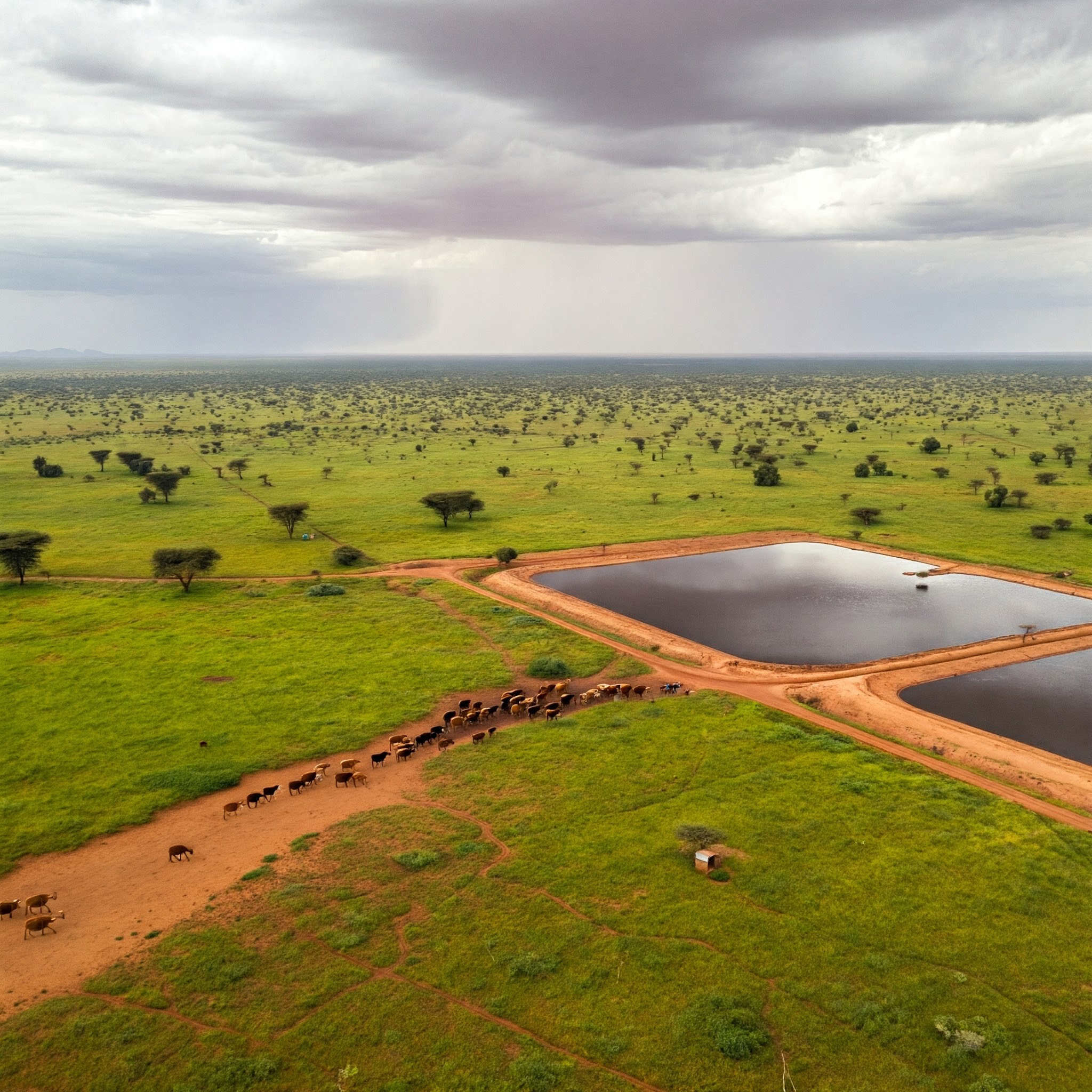
Water is the lifeblood of the Sahel, underpinning both agricultural and livestock activities. However, the region faces significant challenges related to water scarcity due to climate change, population growth, and unsustainable practices. Effective water management strategies are essential for ensuring that communities have access to this vital resource. This includes the development of rainwater harvesting systems, rehabilitation of traditional water sources, and investment in irrigation technologies.

Recommendations for Water Governance

  1. Community-Based Water Management: Empower local communities to manage water resources sustainably through participatory governance structures.
  2. Investment in Infrastructure: Prioritize investments in water infrastructure, such as dams and reservoirs, to enhance water storage capacity.
  3. Cross-Border Cooperation: Foster collaboration among Sahelian countries to manage shared water resources effectively, particularly in transboundary river basins.

Agriculture: Ensuring Food Security

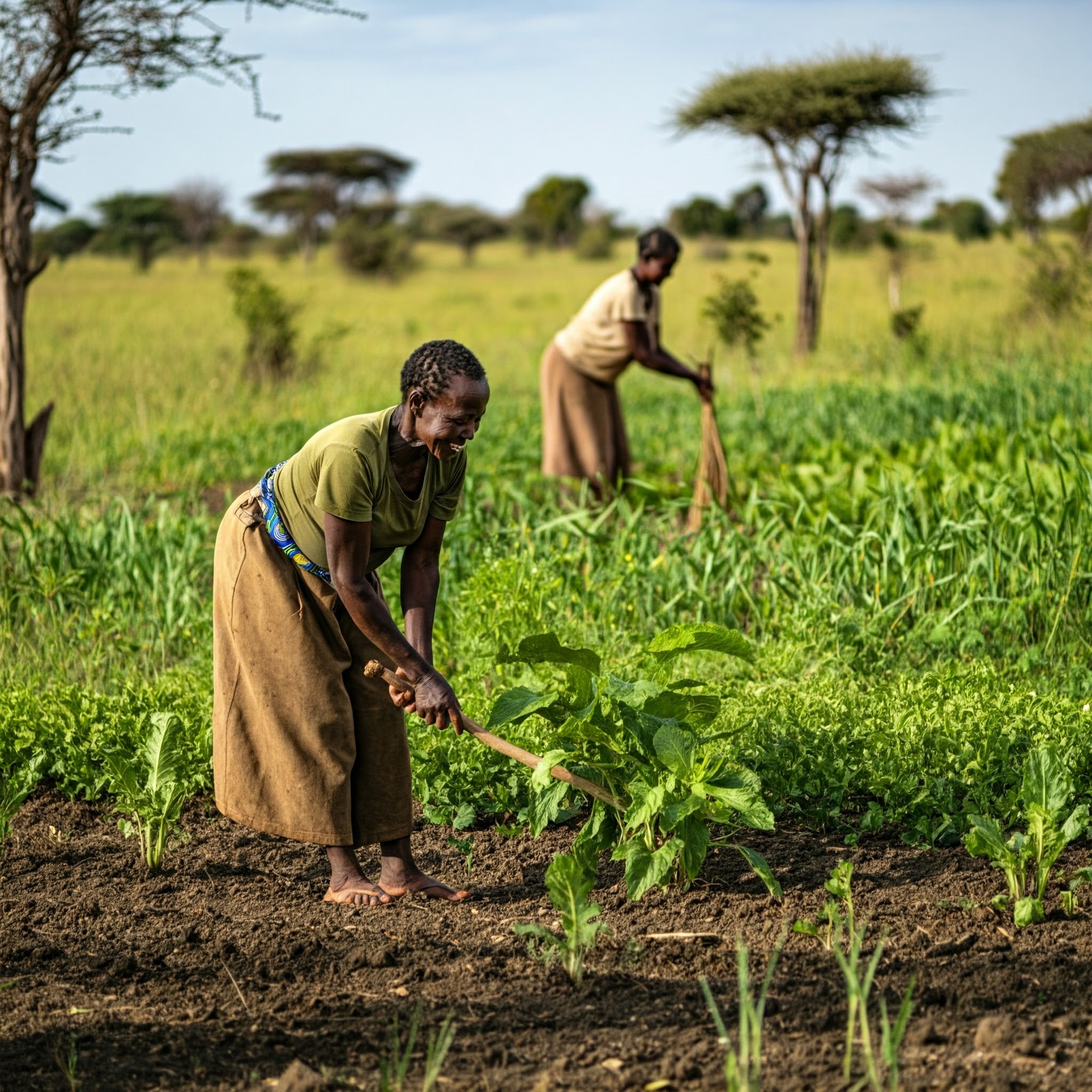
Agriculture is not only a source of food but also a critical economic activity in the Sahel. However, the sector is vulnerable to climate variability and insecurity. Implementing resilient agricultural practices, such as agroecology and climate-smart agriculture, can significantly enhance food security and livelihoods.

Strategic Agricultural Interventions

  1. Diversification of Crops: Encourage farmers to diversify their crops to mitigate risks associated with climate change and market fluctuations.
  2. Training and Capacity Building: Provide farmers with training on sustainable practices and access to modern agricultural technologies to improve productivity.
  3. Market Access: Develop infrastructure and policies that facilitate farmers’ access to local and regional markets.

Livestock Management: Supporting Pastoral Communities

Livestock is a vital asset for many communities in the Sahel, providing sustenance, income, and cultural identity. However, pastoralists face challenges such as land degradation, conflicts over resources, and climate change. Sustainable livestock management practices are essential for maintaining the health of both the animals and the ecosystems they inhabit.

Livestock Sector Recommendations

  1. **Pastoralist Rights and Land Tenure**: Recognize and protect the land rights of pastoralist communities to reduce conflicts and ensure sustainable grazing practices.
  2. **Animal Health Programs**: Implement vaccination and veterinary services to improve livestock health and productivity.
  3. **Integration of Livestock and Crop Farming**: Promote integrated farming systems that enhance synergies between crop and livestock production.

Governance: A Coordinated Approach

Effective governance is critical for the successful management of water, agriculture, and livestock. Governance structures must be inclusive, transparent, and responsive to the needs of local communities. This requires a multi-stakeholder approach that includes government entities, civil society, and local populations.

Governance Enhancement Strategies

  1. Decentralization of Governance: Empower local governments to make decisions that directly affect their communities, fostering accountability and responsiveness.
  2. Strengthening Institutions: Invest in the capacity of local institutions to manage resources and implement policies effectively.
  3. Conflict Resolution Mechanisms: Establish dialogue platforms that facilitate conflict resolution among different user groups, particularly in resource-scarce areas.

Conclusion

The stabilization of the Sahel necessitates a comprehensive approach that integrates water management, agricultural development, and livestock management within a robust governance framework. The insights drawn from ALG’s research and collaborative efforts with international partners provide a roadmap for addressing the underlying challenges faced by communities in the region. By prioritizing these key sectors, stakeholders can work towards a more resilient and stable Sahel.

Acknowledgments

The authors wish to acknowledge the contributions of ALG’s international partners and local stakeholders in Burkina Faso, Mali, Niger, Senegal, Guinea, and Chad. 

Read More

Strategy for Integrating Climate Change Adaptation into Local Development Planning

This is ALG’s strategy to integrate climate change adaptation into local development planning. The strategy includes revised planning, climate vulnerability assessment, mainstreaming climate adaptation, capacity building, scenario planning, collaboration, community engagement, financial mechanisms, monitoring, evaluation, policy advocacy, partnerships, and networks. 

  1. Revised and Tailored Approach to Local Development Planning

  • Climate Vulnerability Assessment: Conduct a thorough assessment to identify the specific climate risks and vulnerabilities faced by the local community. This will inform the development of targeted adaptation strategies.
  • Mainstreaming Climate Adaptation: Integrate climate considerations into all aspects of local development planning, including land use, infrastructure, and social services.
  • Capacity Building: Provide training and support to local government officials and planners on climate change adaptation and its integration into development processes.
  • Scenario Planning: Develop and test future scenarios to understand the potential impacts of climate change on the local community and identify appropriate adaptation measures.
  1. Collaborative Approach between Experts and Local Government Stakeholders

  • Joint Planning and Implementation: Establish a collaborative framework that fosters open communication, knowledge sharing, and joint decision-making between ALG experts and local government stakeholders.
  • Technical Assistance: Provide technical expertise and guidance to local governments on climate change adaptation strategies and their implementation.
  • Knowledge Exchange: Facilitate knowledge exchange and learning between ALG and local government stakeholders through workshops, training sessions, and peer-to-peer learning opportunities.
  1. Community Engagement in Climate Change Adaptation

  • Participatory Planning: Engage local community members in the planning and decision-making processes related to climate change adaptation. This can be achieved through public consultations, community workshops, and focus group discussions.
  • Local Knowledge Integration: Incorporate local knowledge, experiences, and perspectives into climate change adaptation strategies.
  • Empowerment and Ownership: Empower local communities to take ownership of climate change adaptation initiatives and actively participate in their implementation.
  1. Additional Relevant Strategies

  • Financial Mechanisms: Explore innovative financing mechanisms, such as climate funds, grants, and public-private partnerships, to support climate change adaptation initiatives at the local level.
  • Monitoring and Evaluation: Establish a robust monitoring and evaluation system to track the progress and effectiveness of climate change adaptation initiatives and inform adaptive management.
  • Policy Advocacy: Advocate for policy changes and regulatory frameworks that support climate change adaptation at the local level.
  • Partnerships and Networks: Build partnerships and networks with other organizations, research institutions, and community groups working on climate change adaptation to share knowledge, resources, and expertise.

Key Considerations

  • Context Specificity: Recognize that climate change impacts and adaptation needs vary across different localities. Tailor adaptation strategies to the specific context and needs of each community.
  • Equity and Inclusion: Ensure that climate change adaptation initiatives are equitable and inclusive, taking into account the needs of vulnerable and marginalized groups.
  • Long-Term Perspective: Adopt a long-term perspective in climate change adaptation planning, recognizing that climate change is a continuous process that requires ongoing adaptation.

Request a Quotation

We are eager to assist you.
Get in touch with us using the form below.

Read More

Administrative decentralization in large size countries

Elaboration and Expansion of Input Text on Decentralization in DRC

ALG undertook a study on the legal and documentation frameworks for decentralization in the Democratic Republic of Congo (DRC), commissioned by the Ministry of Civil Services and funded by the World Bank. The project aimed to support the DRC government in establishing a robust legal and regulatory foundation for the decentralization of Human Resources (HR) and broader administrative functions.

Key Activities and Objectives at the Central Government Level

The project focused on several critical activities at the central government level:

  • Analysis and Support for Legal Framework Development: ALG conducted an in-depth analysis of the existing legal and regulatory landscape related to decentralization and the civil service. This analysis informed the development of essential laws, decrees, orders, and regulations needed to guide the decentralization process, particularly in HR management.
  • Civil Service Reform and Decentralization Alignment: The project examined ongoing civil service reforms and their alignment with decentralization efforts. This involved assessing the compatibility of reform initiatives with the transfer of HR functions and responsibilities to provincial and local levels.
  • New Legal Frameworks for HR Management: ALG contributed to the creation of new legal frameworks for HR management at the central, provincial, and local levels. These frameworks addressed key aspects such as salary systems, career development pathways, and the procedures for transferring personnel to the provinces.
  • Pilot Study on Staffing Rationalization: A pilot study was conducted to explore strategies for optimizing staffing levels within various ministries. This study aimed to identify potential efficiencies and ensure that HR resources are allocated effectively within the context of decentralization.
  • Development of Decentralization-Related Documentation: The project supported the development of various documents, laws, decrees, and orders related to the decentralization process. This included comprehensive documentation on strategies, procedures, and guidelines to facilitate the smooth transition of administrative functions to lower levels of government.

Activities and Objectives at the Provincial Level

In the provinces of Bandundu, Katanga, and South Kivu, the project focused on activities related to the establishment of systems, procedures, and organizational structures needed to support the new decentralized administrations:

  • Situation Analysis and Needs Assessment: ALG conducted a thorough analysis of the current situation in the selected provinces, including a review of civil servant census reports and World Bank mission reports. This analysis informed the assessment of staffing needs in key areas such as public service management, budget management, education, and health.
  • Development and Testing of Transfer Procedures: The project developed and tested procedures for the transfer of staff from decentralized units to the provincial administrations. This involved the creation of clear guidelines and protocols to ensure a smooth and efficient transition of personnel.

Challenges and Achievements

Conducting this assignment in the DRC presented significant challenges, particularly due to the country’s vast size and complex administrative landscape. However, the project achieved several important milestones, including the development of essential legal frameworks, the establishment of procedures for HR management and staff transfers, and the strengthening of institutional capacity at both the central and provincial levels.

Overall Impact and Significance

The ALG project made a substantial contribution to the advancement of decentralization efforts in the DRC. By supporting the development of legal frameworks, institutional structures, and HR management systems, the project helped to create a more efficient, responsive, and accountable government that is better equipped to meet the needs of its citizens.

Read More

Updating Decentralized Policies in Africa

The wave of decentralization has swept across Africa, with nearly every nation recognizing its potential to enhance governance, empower local communities, and foster sustainable development. However, the rapid evolution of socio-political landscapes, economic dynamics, and technological advancements necessitates a critical review of existing decentralization policies and programs. Are they adequately equipped to address the challenges and opportunities of the 21st century?

ALG, a leading authority on governance and development, is at the forefront of this inquiry. Through comprehensive diagnostic studies of decentralization systems in various countries, ALG aims to provide a roadmap for the future of local governance in Africa. The focus is on proposing a new institutional and normative framework that aligns with current realities and anticipates future trends.

Key Areas of Focus:

  • Institutional Framework: A robust institutional framework is the backbone of effective decentralization. ALG’s analysis delves into the existing structures, identifying strengths, weaknesses, and areas for reform. The goal is to create a framework that promotes clarity, accountability, and collaboration between different levels of government.
  • Normative Framework: Decentralization is not merely about structures; it’s about values and principles. ALG’s research explores the normative underpinnings of decentralization in Africa, emphasizing the importance of inclusivity, participation, and responsiveness to local needs.
  • Adapting Local Governance Systems: The success of decentralization hinges on the ability of local governments to deliver effective services and manage resources efficiently. ALG’s recommendations focus on strengthening local capacities, enhancing financial management, and promoting citizen engagement.

The Way Forward:

ALG’s work is not just about identifying problems; it’s about providing actionable solutions. The diagnostic studies are a crucial first step towards updating decentralization policies and programs to better serve the needs of African citizens. By proposing a new institutional and normative framework and recommending adaptations to local governance systems, ALG is contributing to the ongoing conversation about how to build more resilient, responsive, and inclusive societies in Africa.

The Importance of Continuous Adaptation:

Decentralization is not a one-off process; it’s an ongoing journey. As societies evolve, so too must the policies and programs that govern them. ALG’s commitment to conducting diagnostic studies and proposing updates to decentralization systems reflects a recognition of this dynamic reality. By staying ahead of the curve, African nations can ensure that their decentralization efforts remain relevant and effective in the face of ever-changing circumstances.

Updating decentralized policies is not an option; it’s an imperative. Through its research and advocacy, ALG is playing a pivotal role in shaping the future of decentralization in Africa. By providing a framework for reform and adaptation, ALG is helping to build a new generation of local governance systems that are better equipped to meet the challenges and opportunities of the 21st century. 

Read More

Supporting Transformation and Growth in DRC

The Democratic Republic of the Congo: A Giant of Africa with Extraordinary Economic Potential

The Democratic Republic of the Congo (DRC) stands as one of Africa’s most resource-rich nations, endowed with vast natural wealth and a strategic geographical position that makes it a potential powerhouse for economic growth and regional influence. With its abundant mineral resources, including cobalt, copper, diamonds, and gold, the DRC offers unparalleled opportunities for investment and development. However, to harness this potential effectively, strategic partnerships are essential. This is where Africa Label Group (ALG) steps in, positioning itself as a pivotal ally in the DRC’s journey towards economic transformation.

The DRC: A Nation of Opportunities

The DRC is often referred to as the “heart of Africa,” not only for its geographical centrality but also due to its significant resources that could fuel not just national, but regional development. The country is home to the world’s largest reserves of cobalt, a critical element in the production of batteries for electric vehicles and renewable energy technologies. Furthermore, its rich biodiversity and vast agricultural land present tremendous opportunities for sustainable development.

Despite these advantages, the DRC has faced numerous challenges, including political instability, inadequate infrastructure, and a lack of access to investment. However, recent reforms and a growing commitment to improving the business environment signal a new era of opportunity. The DRC is poised for a take-off, provided it garners the right support and strategic partnerships to navigate its complex landscape.

Africa Label Group: A Strategic Partner for Progress

Africa Label Group (ALG) recognizes the DRC’s potential and aims to play a crucial role in its economic renaissance. With a deep understanding of the African market and a commitment to sustainable development, ALG is well-positioned to contribute to the DRC’s growth narrative. The group focuses on several key areas that align with the DRC’s needs:

1. Infrastructure Development: To unlock economic potential, the DRC requires significant investments in infrastructure, including transportation, energy, and telecommunications. ALG aims to collaborate with local and international stakeholders to develop these critical sectors, fostering connectivity and improving access to markets.

2. Sustainable Mining Practices: As a country rich in minerals, the DRC’s mining sector presents both opportunities and challenges. ALG is committed to promoting sustainable mining practices that not only protect the environment but also ensure that local communities benefit from resource extraction. This approach aligns with global movements toward responsible sourcing and ethical supply chains.

3. Capacity Building and Local Empowerment: A key aspect of ALG’s strategy is to empower local communities and enhance human capital. By investing in education and training programs, ALG aims to equip the Congolese workforce with the skills necessary for the future economy, thereby fostering local entrepreneurship and innovation.

4. Regional Integration: The DRC’s geographical position makes it a vital player in Central Africa’s economic landscape. ALG advocates for regional integration initiatives that enhance trade and collaboration among neighboring countries, ultimately contributing to a more stable and prosperous Central Africa.

As the DRC stands on the brink of transformation, the role of strategic partners like Africa Label Group cannot be overstated. By leveraging its resources and fostering collaboration, the DRC cannot only ensure its own economic take-off but also enhance its influence across Central Africa. With a shared vision for sustainable development and regional prosperity, the partnership between the DRC and ALG symbolizes hope for a brighter future—one where the nation emerges as a true giant of Africa, harnessing its extraordinary economic potential for the benefit of all its citizens and the region at large.

Read More

Improving Transparency and Accountability in Local Government in Francophone Africa

In 2008, the World Bank commissioned ALG to undertake a critical study focused on Improving Transparency and Accountability of Local Government in Francophone Africa (LOGTAFA). This initiative, spanning Guinea, Rwanda, and Burkina Faso, aimed to address the pressing need for enhanced governance practices within the region.

Core Objectives of the LOGTAFA Project

The LOGTAFA project was designed with a three-pronged approach:

  1. Identification and Analysis of Good Governance Practices: The project sought to pinpoint and examine successful governance strategies employed by local governments in Sub-Saharan Africa. The focus areas included critical stages of the governance process: programming, budgeting, service delivery, procurement, and audit/monitoring. The study emphasized practices that fostered greater public participation, accountability to citizens, and overall transparency.
  2. Documentation and Dissemination of Best Practices: A key component of the project was the documentation and widespread sharing of identified good governance practices. This was achieved through comprehensive case studies, in-country stakeholder meetings, and discussions centered around piloting these successful strategies. The aim was to increase the visibility of effective local governance models, encourage policymakers to adopt them, and facilitate a dynamic exchange of ideas and experiences.
  3. Encouraging Dialogue and Partnerships: The project actively promoted dialogue at both national and sub-regional levels. It supported the establishment of collaborative partnerships between elected councils, local government executive branches, NGOs, and community-based organizations. These partnerships were instrumental in creating more transparent and accountable local governance mechanisms.

The Expertise we provided

The  primary focus was on the first component of the project. It involved rigorous identification and assessment of good governance practices through in-depth case studies. These case studies served as the foundation for subsequent dissemination and networking activities under the project’s second and third components.

Description of the Assignment

The consultant’s task was multifaceted. It involved:

  • Identifying and Assessing Good Governance Practices: The consultant systematically identified and evaluated good governance practices implemented by local governments in key operational areas. The assessment focused on practices that demonstrably enhanced public participation, ensured downstream accountability, and promoted transparency.
  • Conducting Qualitative and Quantitative Assessments: The consultant employed a mixed-methods approach, combining qualitative and quantitative assessments. This involved a deep dive into the formal and informal processes through which local governments and civil society interacted. The aim was to understand how these interactions contributed to holding local governments accountable, improving their responsiveness to citizens, and enhancing overall service delivery, particularly for the poor and vulnerable.

Assessing local governance good practices 

While the indicator development process drew upon existing literature, stakeholder discussions, and consultations with the World Bank, the evaluation criteria were carefully designed to consider the following key characteristics:

  • Problem-Solving Orientation: The extent to which the practice addressed a specific development challenge.
  • Citizen-Centric Approach: The degree to which the practice focused on citizens, especially marginalized groups.
  • Partnership and Collaboration: The level of collaboration with citizen groups, the private sector, and/or civil society.
  • Accountability Enhancement: The contribution of the practice to improving government accountability.
  • Coverage and Reach: The percentage of the population positively impacted by the practice.
  • Cost-Effectiveness: The cost implications of implementing the practice.
  • Operational Efficiency and Effectiveness: The impact of the practice on the efficiency and effectiveness of government operations.
  • Influence on Decision-Making: The extent to which the practice influenced key local government decision-making processes (programming, budget execution, service delivery, audit, and monitoring).
  • Sustainability and Institutionalization: The flexibility and adaptability of the practice to ensure its long-term sustainability and institutionalization.

The ALG’s mission, as exemplified by the World Bank’s LOGTAFA project, underscores a steadfast commitment to strengthening governance structures in Francophone Africa. By identifying, assessing, and promoting good governance practices, the project aimed to foster greater transparency, accountability, and public participation in local government. This initiative serves as a model for future efforts aimed at enhancing governance and promoting sustainable development in the region.

Read More

Policy Development in Poor and Fragile States: Factors of Success

Policy development in poor and fragile states presents unique challenges and opportunities that require a nuanced understanding of the local context. Success in these environments hinges on several key factors that collectively foster sustainable development and stability. ALG has actively contributed to policy development across multiple sectors and countries, leveraging expertise to foster effective governance and sustainable practices. Their initiatives have facilitated the creation of frameworks that promote innovation, economic growth, and social equity, ensuring alignment with both local and global standards.

1. Inclusivity and Local Ownership: Effective policy development must prioritize inclusivity, ensuring that all stakeholders, including marginalized communities, are engaged in the process. Local ownership is crucial; policies that reflect the needs and aspirations of the population are more likely to gain support and achieve lasting impact. Engaging local leaders and institutions can enhance trust and legitimacy.

2. Contextual Understanding: A deep understanding of the socio-political landscape is essential. Policymakers must consider historical grievances, cultural dynamics, and existing power structures to craft relevant and effective strategies. This contextual awareness helps in identifying potential obstacles and leveraging local strengths.

3. Adaptive and Flexible Approaches: In fragile states, conditions can change rapidly due to conflict, economic shifts, or natural disasters. Successful policy development requires a flexible approach that can adapt to evolving circumstances. This may involve iterative processes and ongoing stakeholder engagement to refine policies as needed.

Case study: Development of two policies for the recruitment of primary school teachers for community teachers in Chad

4. Institutional Capacity Building: Strengthening local institutions is fundamental for the sustainability of policies. Investment in capacity building ensures that governmental and non-governmental bodies can effectively implement and monitor policies. This also includes fostering accountability mechanisms that enhance governance and reduce corruption.

5. International Support and Coordination: While local solutions are paramount, international support plays a critical role in providing resources, expertise, and stability. Coordination among international actors is necessary to avoid duplication of efforts and to create a cohesive strategy that aligns with local priorities.

We know from our experience that successful policy development  fragile states in Africa requires a holistic approach that emphasizes inclusivity, contextual understanding, adaptability, capacity building, and coordinated international support. By focusing on these factors, policymakers can create resilient frameworks that promote peace, stability, and sustainable development in some of the world’s most challenging environments.

Read More