


Strategies and plans in steering development in African countries
ALG provides high-level expertise for the design, updating or evaluation of development strategies and plans.
The sustainable and inclusive development of African countries is a complex challenge that requires strategic approaches and well-defined plans. The importance of strategies and plans in steering this development cannot be underestimated. Indeed, these tools are essential levers for mobilizing resources, guiding public policies and ensuring the coherence of actions carried out at all levels. More and more countries and sub-state entities on the continent are designing this type of document.
Long-term vision and coherence of actions
Development strategies provide a clear vision of the objectives to be achieved, thus making it possible to direct efforts towards a desired future. In Africa, where the challenges are numerous — poverty, inequalities, climate change — it is crucial to establish priorities that meet the specific needs of each country. Well-developed plans ensure that actions are coherent and aligned with common objectives, which is essential to avoid isolated and scattered initiatives that could undermine the effectiveness of interventions. The process of developing these plans must meet certain requirements so that the vision is acceptable and shared by the majority of those concerned.
Resource mobilization
A solid strategy also helps to better mobilize financial, human and material resources. In a context where funds available for development may be limited, it is imperative to identify sources of financing, whether international aid, private investment or domestic resources. Development plans help to clearly articulate financial needs and justify investments, demonstrating the potential impact of projects on the socio-economic development of countries. Whether it is a national plan, a regional plan or a local plan, each requires a resource mobilization strategy.
Institutional capacity building
Strategies and plans contribute to strengthening the capacities of public institutions and local actors. In countries with weak administrative structures, it is essential to build robust systems that can effectively manage development processes. Well-designed plans integrate training, resources and monitoring mechanisms that enable institutions to function optimally, thereby ensuring effective policy implementation.
Stakeholder Engagement
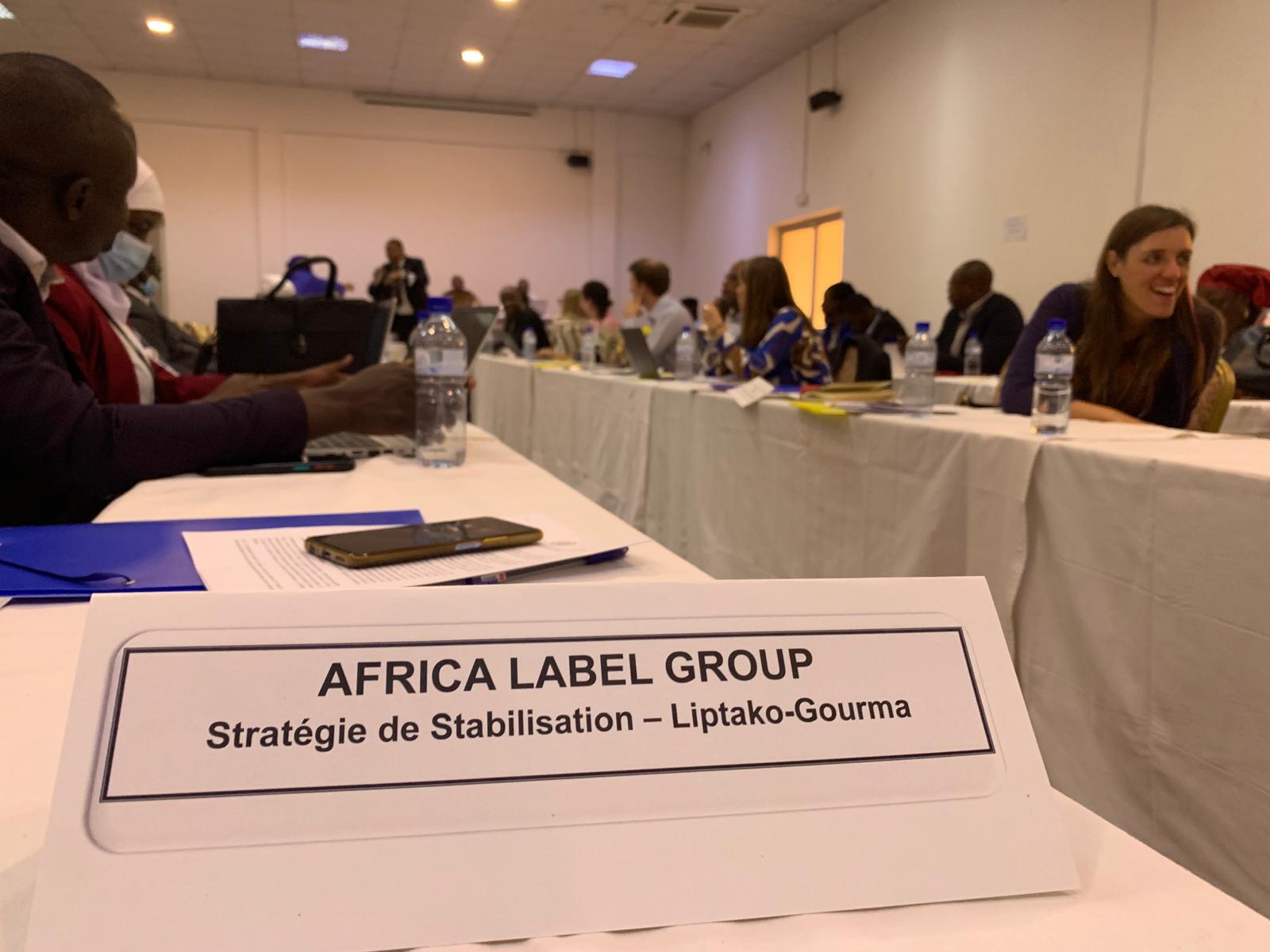
Implementing development strategies requires the involvement of various stakeholders, including governments, civil society, the private sector and local communities. Inclusive plans foster dialogue and collaboration among these different actors, creating an ecosystem conducive to development. In Africa, where cultural and socio-economic diversity is great, it is essential to ensure that the voices of all segments of the population are heard and taken into account in defining development priorities. ALG has worked over the past few years on the establishment of community development plans in half a dozen countries on the continent. The approach followed has enabled broad consultations; which have helped to align the development offer of central authorities with the demand for development of grassroots actors.
Monitoring and evaluation of results
Strategies and plans also make it possible to establish monitoring and evaluation mechanisms, which are essential for measuring the impact of the actions undertaken. In Africa, where data can sometimes be lacking, it is crucial to establish clear indicators to assess the progress made. This not only allows for accountability, but also for interventions to be adjusted according to the results observed, thus ensuring continuous improvement of development policies. This type of intervention requires expertise that ALG makes available to partners who call upon us.
In short, development strategies and plans are essential for steering progress in Africa. They provide a clear roadmap, facilitate resource mobilization, strengthen institutional capacities, involve stakeholders and allow for rigorous monitoring of results. By investing in well-designed strategies and adapting them to local realities, African countries cannot only overcome current challenges, but also build a prosperous and sustainable future for their people. Now is the time to act decisively